

we’ve never trusted in a one size fits all approach. ever thought about what skin types you have? There are five basic skin types: normal, dry, oily, combination and sensitive. Understanding the various kinds of skin types and which one you have will assist with providing you with a superior thought of how to treat skin pimples breakouts and get smooth, clear skin.
Your skin type is typically determined by hereditary, yet there are everyday habits and natural factors that can worsen a skin condition. Each skin type has particular characteristics of qualities and symptoms and requires special care. Continue to read this article to find out your skin type and how to take care of it.
Skin types is described by how much oil, or sebum, an individual’s skin produces. Sebum is a substance that the skin makes to lock the moisturizer.
Dry skin
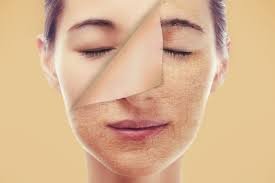
If a person has dry skin, their skin delivers less sebum than it needs. These individuals might see their skin:
- feels tight or dry, particularly after bathing.
- flakes, itches, or cracks
- looks dull, rough, or ashy
Oily skin
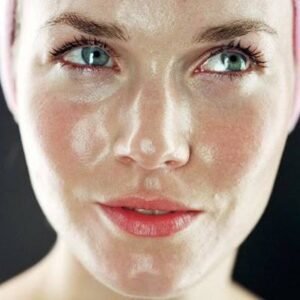
If a person has oily skin, their skin delivers more sebum than it needs. They might find their skin:
- feels oily
- looks shiny, particularly around the nose and forehead
- has large pores that clog without any problem
- is prone to pimples or clogged pores
- combination skin
combination skin
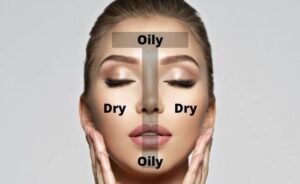
In people with combination skin, a few spaces of their skin will be oily, while others might feel dry. Regions include oiliness in the forehead chin and nose, also known as the T-zone. The cheeks or different regions might feel normal or dry.
Sensitive skin
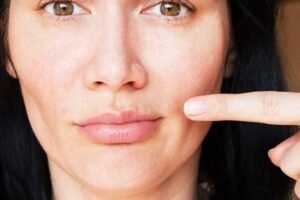
sensitive skin can become aggravated or inflamed easily. a person having this type of skin might notice
- skin that burns, stings, or itches while applying products
- visible responses to substances, with bumps, hives, or peeling
- unlike to other skin types, sensitive skin isn’t controlled by how much sebum a person skin produces. People with dry or oily skin can likewise have normal skin, however, it is frequently observed with dryness.
- Sometimes, sensitivity is identified with skin conditions, like dermatitis or rosacea.
Normal skin

People use the term normal skin to describe skin that isn’t recognizably oil, dry, or sensitive. These skin types produce sufficient sebum to keep the skin equally hydrated without becoming oily.
The most effective method to find your skin type
To determine skin type:
wash the face with a gentle cleanser. wipe off with a perfect towel
see how the skin looks and feels after washing. observe how the skin looks and feels immediately after washing
Dry skin will feel dry or tight not long after washing. It might look dull, rough, or flaky.
Try these tips to help your dry skin:
- Clean daily and take bath on regular basis.
- Used mild cleansers or soaps. Stay away from deodorant soaps or cleansers.
- Try not to scrub while washing or drying.
- Smooth on a rich cream just after washing. Ointments and creams might work better compared to moisturizers for dry skin however are frequently more chaotic. Reapply as needed throughout the day.
- Use a humidifier, and don’t allow indoor temperatures to get excessively hot.
- Wear gloves when using cleaning agents, solvents, or households detergents.
organic harvest vitamin A face wash
Oily skin might look matte after washing, yet will become greasy or oily throughout the following, not many hours. The oil will be visible if a person rubs their nose with a tissue.
To deal with oily skin:
- Wash it no more double a day and after you sweat a lot.
- Use a mild cleanser and don’t scrub.
- Try not to pick, pop, or crush pimples. They’ll take more time to heal than normal.
- Search for “noncomedogenic” on skin products and beauty care products. This implies it will not clog.
plum green tea pore cleansing face wash
Combination skin normally includes an oily T-zone and ordinary or dry cheeks. The T-zone incorporates the foreheads, nose, and jawline. After some time, this region will look gleaming or oily, however, the cheeks will not.
A person with combination skin can follow a large number of similar steps as a person with oily skin, using a mild cleanser and lightweight or without oil items to decrease oiliness in the T-zone.
For dry patches, a person can apply a more intensive lotion to that area only.
plum chamomile and white Tea Revival grace Wash
Normal skin will look clear, even in tone and surface, and won’t feel tight or bothered after washing. It won’t change a lot during the day.
caffeine naked and raw coffee facade wash
Sensitive skin might sting, burn, or itch after a wash.
If you have sensitive skin, try to discover what your triggers are so you can keep away from them. There are numerous potential reasons, yet frequently it’s in light of specific beauty care products.
skin kraft face wash for sensitive skin
