
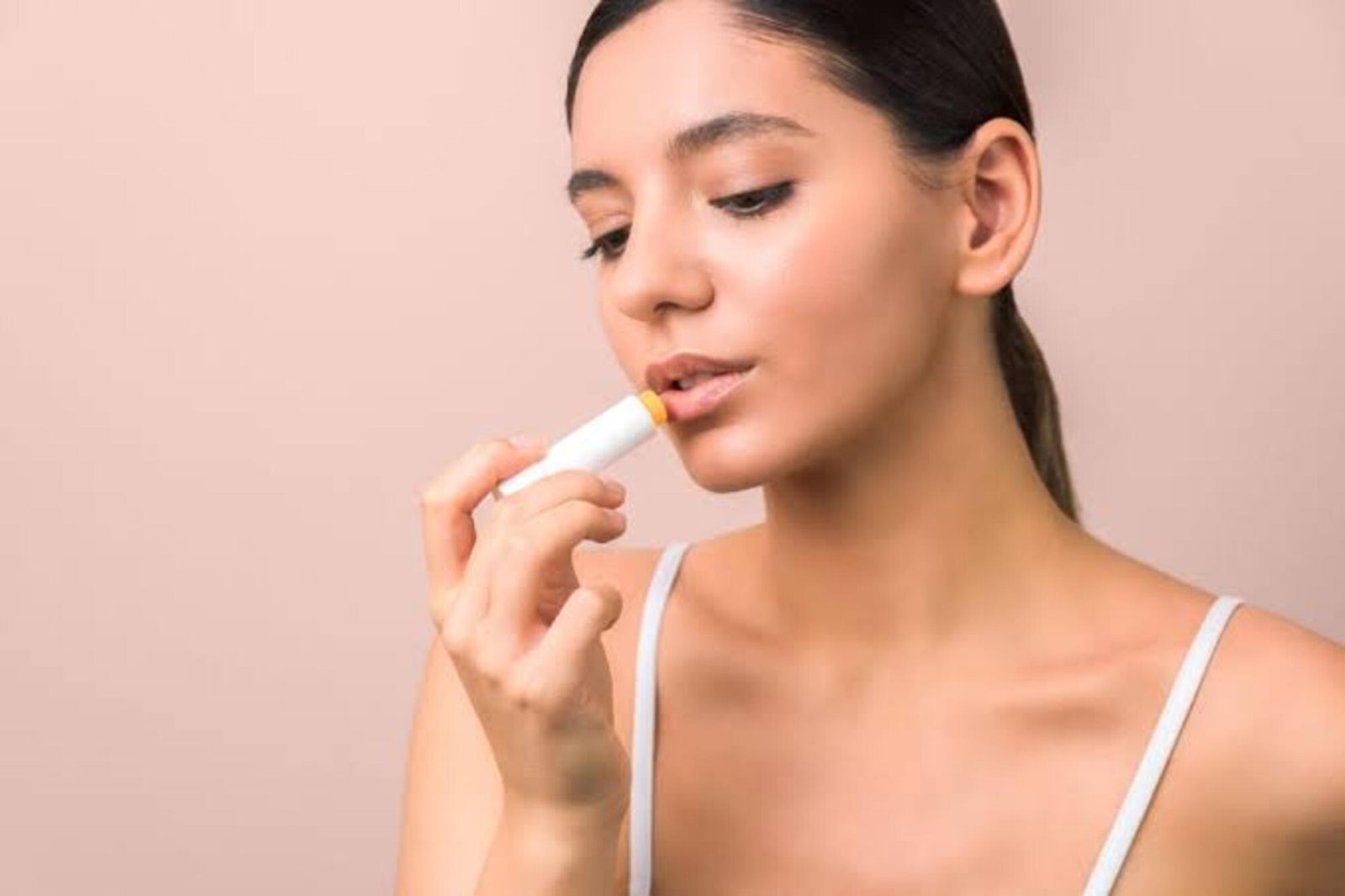
When your lips are chapped, they are dry and cracked. Your lips are probably chapped if they burn, hurt, or feel painful.
You might think that chapped lips are only an issue in the winter. Your lips can get dry, painful, and scaly at any time of year if you don’t take special care of them. This is especially true if you lick or bite your lips frequently or use treatments that irritate and dry up your lips.
Chapped Lips Symptoms
Chapped lips can cause the following symptoms:
- Dryness
- Cracks, peeling, or flaking of the skin
- Bleeding
- Redness
- a burning, stinging, or tingling sensation
- Chapped Lips: Causes and Risk Factors
Chapped lips can be caused or made more likely by a variety of factors. These are some of them:
- Weather that is dry
- Indoors, the air is dry.
- Lips with a lack of oil glands
- Lips that aren’t moisturised
- Lipsticks or balms that irritate the skin
- Products that are harsh or drying, such as menthol, camphor, or salicylic acid
- Too much exposure to the sun
- Licking, caressing, or picking your lips excessively
- consuming insufficient amounts of water
- Using your lips to hold metal
Chapped Lips Treatment and Prevention
Your lips lack oil glands, and they’re constantly exposed to the environment. You’ll pay the price if you don’t look after them. What can you do to protect them?
- Apply lip balm. Your sensitive lip skin can be protected from the elements with the use of a decent balm. Pick one with a lot of emollients. Petrolatum, which locks in moisture, and dimethicone, which seals off fissures and splits in drying lips, should both be found on the ingredient list. Also, don’t limit yourself to items that contain the word balm. Lip ointments are also a viable option.
- Apply frequently and early. Apply whichever substance you chose before applying lipstick or lip gloss, not after. Reapply regularly to keep your lips protected. During the day, you’ll need six to eight coats, so apply first thing in the morning, last thing at night, and every couple of hours. To make it easy, keep a tube in your purse, another in your car, a third at your desk, and a fourth near your bed.
- When you’re outside, keep your lips protected. When the temperature drops, you cover your hands and feet; do the same with your lips. When going out in the cold, cover your mouth with a scarf or a ski mask. Remember to use a lip balm that offers broad-spectrum UV protection all year.
- Take a sip. You’re well aware of its numerous health benefits. One of them is to combat dehydration, which causes chapped lips.
- Indoors, use a humidifier. These devices give your lips and skin the hydration they need. It’s convenient to have one at work and at home, especially during the winter. Turn it on at night to help your skin regenerate while you’re sleeping.
- It’s not a good idea to lick your lips. Running your tongue over your lips, while it may seem like a nice idea at the time, is the worst thing you can do for them. As your saliva dries, your skin loses more moisture. Instead, reach for your lip balm.
- Peeling or biting flaky skin is not a good idea.Your lips have thin and sensitive skin. Picking at it can make it bleed and pain, as well as slow the healing process and irritate it further.
- Don’t exfoliate your skin. It can aggravate chapped lips even more. Apply a generous amount of balm or ointment and turn on the humidifier instead.
- Pay attention to what you’re saying. Some treatments have the potential to cause more damage than good. Ingredients like eucalyptus, menthol, and camphor might cause your lips to become dry or irritated. Avoid them, particularly if you have dry skin. Switch to a petroleum jelly-based product if you’re sensitive to plant-based oils and moisturisers like beeswax, shea butter, castor seed, and soybean oil.
- If your problem doesn’t go away, see a dermatologist. Chapping that doesn’t heal despite using lip balm on a regular basis could be an indication of infection or a more serious illness, such as cancer or actinic cheilitis, a precancerous condition.
