
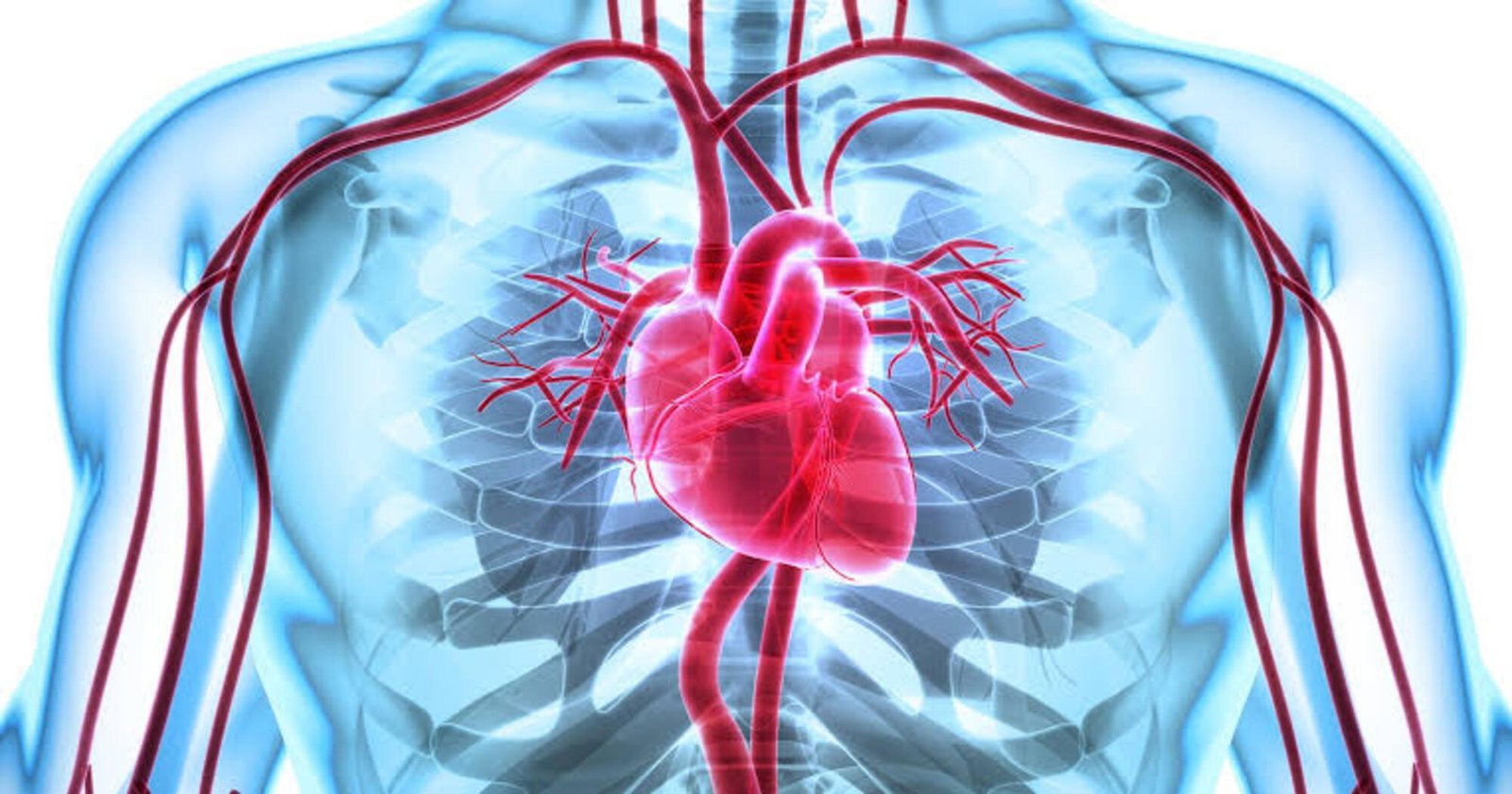
Hypertension is defined as the persistent high blood pressure.
Clinically when the systolic pressure remains elevated above 150mm hg and diastolic remains elevated above 90mm hg. It is considered as hypertension.
Types of hypertension
- Primary hypertension or essential hypertension
- Secondary hypertension
Primary hypertension:- primary hypertension is the elevated blood pressure in the absence of any underlying disease. Arterial blood pressure is increased because of increased peripheral resistance which occurs due to some unknown causes.
secondary hypertension:- secondary hypertension is due to high blood pressure due to some underlying disorders.
- Cardiovascular hypertension – atherosclerosis
coarctation of aorta
- Endocrine hypertension
- Renal hypertension
- Neurogenic hypertension
- Hypertension during pregnancy
Even when blood pressure readings are at dangerously high levels, the majority of persons with high blood pressure do not exhibit any symptoms. Years may go by while you have high blood pressure with no signs or symptoms
A few high blood pressure sufferers could have:
- Headaches
- breathing difficulty
- Nosebleeds
These symptoms are general, though. They typically don’t show up until high blood pressure has gotten to the point where it’s dangerous or life-threatening.
Risk factors
There are various risk factors for high blood pressure, including:
Age. As people age, their risk of having high blood pressure rises. High blood pressure is more prevalent in men up until age 64. After the age of 65, women are more prone to have high blood pressure.
Race. Black folks are more likely than other races to have high blood pressure. Compared to white individuals, black folks experience it sooner in life.
Family background. If either of your parents or a sibling has high blood pressure, you are more likely to get it yourself.
low levels of potassium. Salt homeostasis in the body’s cells is aided by potassium. For healthy hearts, potassium levels must be balanced properly. Low potassium levels can result from a diet low in the mineral or from various medical disorders, such as dehydration.
overindulging in booze. Blood pressure has been linked to drinking alcohol, especially in men.
Stress. High stress levels might cause a brief rise in blood pressure. Stress-related behaviours like eating more, smoking, or drinking alcohol can cause blood pressure to rise even more.
a few enduring conditions. High blood pressure is a complication of various medical disorders, including kidney disease, diabetes, and sleep apnea.
Pregnancy. Sometimes, elevated blood pressure during pregnancy occurs.
being overweight or obese. The blood arteries, kidneys, and other organs of the body change as a result of excess weight. Frequently, these modifications raise blood pressure.
exercise inactivity Lack of exercise can lead to weight gain. High blood pressure risk increases with weight gain. Inactive people frequently have greater heart rates.
either smoking or vaping. The sudden and temporary increase in blood pressure caused by smoking, chewing tobacco, or vaping. Smoking tobacco damages the blood vessel walls and hastens the artery hardening process. Ask your healthcare professional for advice on how to stop smoking if you currently do.
excessive salt. The body can retain fluid if there is too much salt, commonly known as sodium, in it. Blood pressure is raised as a result.
What can I do to lower my blood pressure?
A healthy lifestyle can help you avoid high blood pressure. This implies:
consuming a balanced diet. You should reduce the quantity of sodium (salt) you consume and up your intake of potassium to assist control your blood pressure. Additionally, it’s crucial to consume a lot of nutritious grains, fruits, and vegetables as well as low-fat foods. The DASH eating regimen is an illustration of a diet that can lower blood pressure.
exercising on a regular basis. Your blood pressure can be lowered and you can maintain a healthy weight with exercise. At least 2.5 hours per week of moderate-intensity aerobic activity should be your goal.
sustaining a healthy weight. Your risk of high blood pressure rises if you are obese or overweight. You can manage high blood pressure and lower your risk for other health issues by maintaining a healthy weight.
alcohol restriction. Alcohol abuse can cause blood pressure to rise. Additional calories are also added, which could lead to weight gain. Only one drink per day for ladies and no more than two for males is recommended.
not a smoker. Smoking cigarettes increases blood pressure and increases your risk of heart attack and stroke. Don’t start smoking if you don’t already. If you currently smoke, talk to your healthcare professional about the best method to stop.
controlling stress. Your emotional and physical health can be improved, and high blood pressure can be reduced, by learning how to relax and handle stress. Exercise, listening to music, focusing on something serene or calming, and meditation are all examples of stress-reduction strategies.
It’s critical to stop high blood pressure from worsening or leading to consequences if you already have the condition. You should seek regular medical attention and adhere to your recommended treatment schedule.
