
There are numerous methods to adopt a vegan diet lifestyle. All vegans share a plant-based diet in which they abstain from all animal products, including all meat (including fish, shellfish, and insects), dairy, eggs, and honey. They also avoid materials derived from animals, goods that have been tested on animals, and establishments that use animals for entertainment.
Some people may opt to become vegans; some may do so because they oppose animal exploitation and factory farming, while others may do so out of concern for the environment. The Vegan Society is here to encourage everyone on their vegan journey, no matter the motivation.
Why Become a Vegan?
Meat and fish are not allowed in vegetarian and vegan diets. However, vegan diets go one step farther and forbid all other products with animal by products. In this way, vegans abstain from meat as well as dairy, eggs, and honey. In addition, no vegan meal ever contains lard, whey, or gelatin, which are examples of animal agriculture byproducts.
Over a vegetarian diet, a vegan diet offers significant advantages. Vegan diets completely forgo all forms of animal abuse, whereas vegetarian diets only lessen it. A vegan diet may also be better for your health and the environment than one that includes dairy and eggs. For these reasons, a lot of vegetarians eventually switch to veganism.

Vegan food is widely available!
Every grocery store carries a wide variety of vegan items. And even better solutions can be found in a reputable natural foods store. The majority offer a variety of vegan cheeses, milks, and meats. You can find vegan waffles, burritos, and pizza in the frozen food aisle. The sweets will also not let you down. You may get vegan pies, pastries, ice cream, and many other treats. Every major non-vegan delicacy—cream cheese, mayo, eggs, you name it—is available in better natural food stores in the form of at least one vegan substitute. Also, as more and more delectable new vegan items are released, your options will only become better.
You can pick from hundreds of vegan cookbooks that cover every imaginable topic when it comes to cooking.
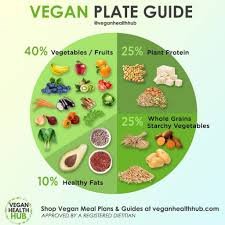
What You Can Eat and drink
You can eat and drink meals produced from plants while following a vegan diet, such as:
- Veggies and fruits
- Legumes like lentils, beans, and peas
- seeds and nuts
- Pasta, rice, and bread
- Dairy substitutes including almond milk, coconut milk, and soymilk
- dietary fats
Health Benefits
vegans have a healthier heart and a lower risk of contracting particular ailments. Skippers of meat are less likely to gain weight or develop heart disease, high cholesterol, or high blood pressure. Moreover, vegans have a lower risk of developing diabetes and several malignancies, including tumours of the GI tract and cancers of the breast, ovaries, and uterus in females.
Being vegan may even extend your life, particularly if you also reduce your daily calorie intake.
One of the reasons for all of these health advantages may be better weight control. The body mass index (BMI) of vegans is lower than that of consumers of animal products.
Another advantage is good nutrition. The vegan diet consists primarily of fruits, vegetables, whole grains, and nuts. These foods are a good source of fibre, antioxidants, and other substances that help fight cancer and diabetes.

How to Become Vegan
Are you interested in a vegan diet but unsure of where to begin? You might start immediately and stop eating any poultry, meat, eggs, and dairy products. Alternately, increase how many fruits and vegetables you eat at each meal gradually.
Try a less stringent approach if eliminating all animal products from your diet feels overwhelming. Certain diets emphasise plant-based foods while still allowing room for other kinds of food:
Pescatarians refrain from eating meat and poultry but may still consume fish.
vegan who also consumes dairy and eggs is known as a lacto-ovo vegetarian.
Flexitarianism is a diet centred on plants but occasionally using animal products.
Once you begin a vegan diet, your doctor or a dietician can assist you in making the correct dietary choices. To ensure you get the proper balance of nutrients in your new eating plan, it’s crucial to get professional assistance if you have a chronic disease or are pregnant.
The summary
Animal products are typically avoided by vegans for moral, health, or environmental reasons, or for any combination of the three.
An abundance of plant foods, such as fruits, vegetables, whole grains, legumes, nuts, seeds, and fortified goods manufactured from these foods, will likely be substituted for meat, eggs, and dairy products if you follow a vegan diet.
It’s simpler than most people believe to make the switch to a vegan diet. But, it does necessitate some extra dietary expertise.
Thus, if you’re thinking about switching, think about seeing a registered dietitian who specialises in plant-based diets to be sure you understand the fundamentals
