
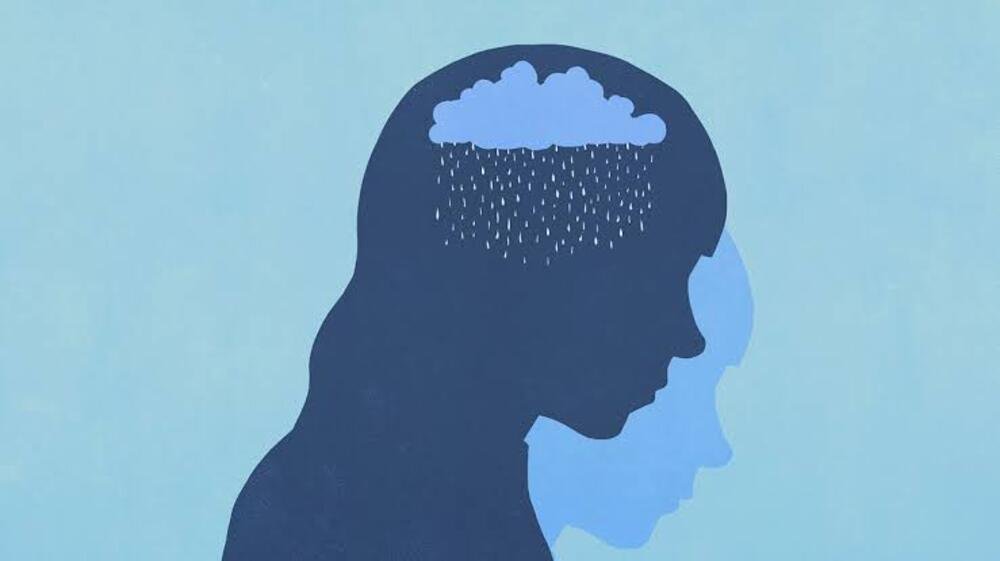
It can be difficult to deal with the rough seas of love and heartbreak, especially for individuals who are just entering their twenties. During the misery of relationship trauma, mutual breakups can provide a sense of understanding and closure. This blog will discuss the benefits of mutual breakups for emotional health and how to take comfort in your teen group’s support.
Understanding Relationship Trauma
The emotional damage that follows the end of a romantic relationship is referred to as relationship trauma. The breakup or loss of a relationship can result in a variety of strong emotions and psychological discomfort, depending on what caused the breakup. Moving past relationship trauma and toward healing requires an understanding of its nature.
1. Emotional Turmoil: Following a breakup, people frequently go through a range of feelings, such as perplexity, rage, sadness, and grief. The intensity of these feelings may change over time and might feel overwhelming at times. 2. Identity Loss: Love connections frequently cause people to lose their sense of self. People may find it difficult to define who they are outside of a relationship, which can leave them feeling empty and confused. 3. Betrayal and Trust Issues: Deeply ingrained emotional wounds can result from betrayal or deception in a relationship. In the future, it could be difficult to trust others due to this betrayal trauma, and it might take a lot of healing work.
4. Attachment and Dependency: A lot of people have deep emotional bonds with their love partners and rely on them for company, companionship, and validation. Breaking up with someone can be like losing a major emotional support system, leading to feelings of loneliness and abandonment.
5. Effect on Mental Health: Relationship trauma can exacerbate the symptoms of anxiety, depression, and other mood disorders, having a significant effect on mental health. To overcome these obstacles, it is critical to place a high priority on self-care and, if necessary, seek expert assistance.
6. Healing and Recovery: Overcoming relationship trauma requires a slow and methodical approach that includes establishing boundaries, accepting and analyzing feelings, and cultivating resilience and self-love. People can recover from relationship trauma and become stronger and more resilient than they were before, given enough time and effort.
The Benefit of Mutual Breakup
Mutual breakups, in which both partners decide to leave their relationship, have special benefits that can lessen emotional strain and help both parties move on in a healthier way. Finding closure and facing the difficulties of relationship ends require an understanding of these benefits.
1. Closure and Understanding: Mutual breakups offer a sense of closure and mutual understanding, in contrast to unilateral breakups, in which one party calls for the end of the partnership. There is an open exchange of ideas and sentiments between the couples, which promotes a more courteous and honest divorce.
2. Lessened Guilt and Blame: When a couple breaks up amicably, they usually acknowledge the reasons why the relationship ended. By creating a more friendly and less acrimonious separation, this shared responsibility can lessen the feelings of guilt, blame, and anger that frequently precede one-sided breakups.
3. Preservation of Respect and Dignity: Both parties can keep their dignity and respect during the breakup process if they mutually decide to stop the relationship. It’s less likely that they’ll act hurtfully toward one another or undermine one another’s self-esteem, which makes ending the relationship easier.
4. Collaborative Coping and Support: When relationships terminate amicably, mutual breakups promote a cooperative way of handling the breakup. When navigating the emotional difficulties of separation, both spouses can provide empathy, compassion, and consolation to one another during the grieving process.
5. Easier Transition to Healing: Mutual breakups frequently result in a more seamless transition to healing because they promote open communication and understanding. In order to create the conditions for future development and self-discovery, both partners can start the process of emotional healing and moving on with more acceptance and clarity.
6. Possibility of Continued Friendship: Sometimes mutual splits lay the groundwork for friendly ties or friendships to endure after divorce. Since there isn’t as much hostility or bitterness, both parties might be more willing to maintain their friendship and provide platonic support for one another.
The ability to promote closure, respect, and cooperative coping is, all things considered, the mutual breakup advantage; it facilitates a less emotionally taxing and more seamless exit for both parties. People can handle the breakup of a relationship with dignity and respect if they accept the advantages of amicable separation.
Moving with Hope
It can be difficult to move on after a split, but it’s important to keep in mind that things will get better. Through adopting an optimistic and resilient mindset, people can successfully navigate the healing process and come out stronger than before. After a breakup, try these tactics for moving on with hope:
1. Accepting Relationship: Make the most of this period of time to reconnect with your true self. Investigate your passions, interests, and aspirations; seize the chance for introspection and personal development.
2. Developing Gratitude: Concentrate on your life’s blessings and develop an attitude of thankfulness for what you already have. By developing gratitude, you can change your viewpoint and discover happiness and contentment even under difficult circumstances.
3. Setting Ambitions and Goals: Establish relevant goals and targets for your career and personal life. You can stay focused on the future and have something to aim for when you have a clear direction and purpose.
4. Building Relationships of Support: Make sure you have supportive and encouraging friends and family around you. Rely on your support system for emotional support and direction while you move through the healing process
5. Putting Self-Care Into Practice: Prioritize your mental, physical, and spiritual well-being by doing things that feed your body and mind. Give priority to the pursuits that calm and revitalize you, whether they be physical activity, meditation, or time spent in nature.
6. Accepting New Beginnings: See the breakup as a chance for development and fresh starts. Have an open mind and heart as you embrace the unknown, and have faith that greater things are coming.
7. Seeking Professional Support: If you’re finding it difficult to deal with the emotional fallout from the breakup, don’t be afraid to get professional help. Therapy can offer insightful information and useful tools to support your healing and confident forward motion.
The Bottom Line
While it might be difficult to deal the impact of a breakup, it’s crucial to keep in mind that there is hope. Whether you are dealing with the emotional impact of a one-sided breakup or you have gone through a mutual breakup, there are actions you can do to get better and go on with hope.
You may go through the healing process gracefully and resiliently if you ask for help from friends, family, or a therapist, acknowledge and validate your feelings, and place a high value on personal development and self-care. Recall that recovery requires time, and it’s acceptable to proceed cautiously at first.
Maintain the hope that better times are coming as you navigate the highs and lows of rehabilitation after a breakup. Set important goals for the future, develop appreciation for the here and now, and welcome the chance for self-discovery.
In the end, your tale does not conclude with a relationship. It’s an opportunity for fresh starts, personal development, and realizing your own fortitude and resiliency. You may build a better, more rewarding future for yourself that is full of love, joy, and limitless opportunities by going forward with hope and optimism.
