
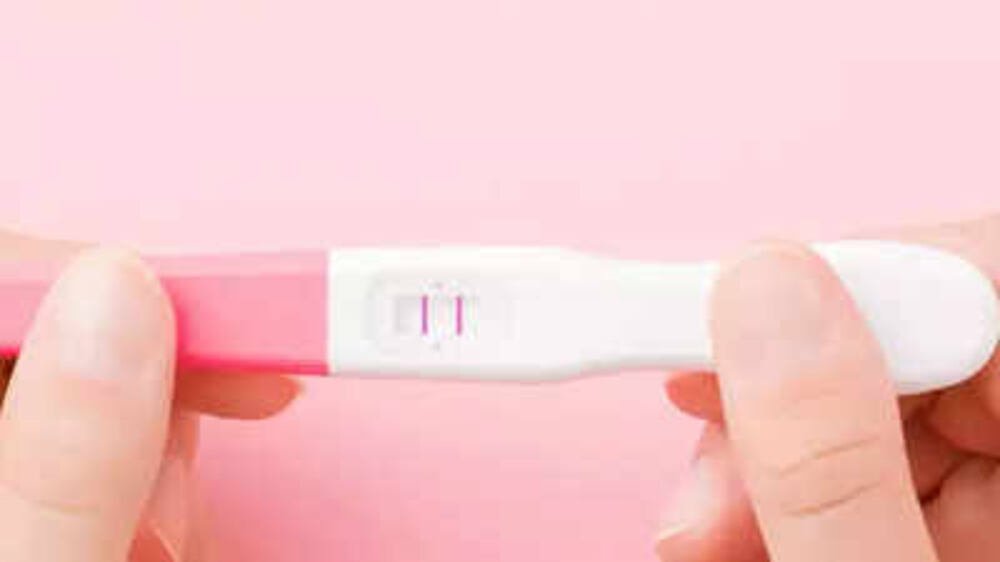
The Rise of Abortion Pills: Why They’re More Common Among Teens (And What to Know)
Teenagers and abortion. It’s a sensitive topic, but an important one. Understanding why teens are taking abortion pills or medication has become more common, and it can help us support young people and have difficult conversations.
It can be very difficult to deal with an unwanted pregnancy when you’re a teenager. If you’re considering abortion pills, also known as medication abortion, you’re not alone. The entire guide is here to provide you with all the information you need to make a wise choice. From understanding how abortion pills work to learning about potential side effects, we’ve got you covered. Together, we can learn more about this very important topic so you can make the best decision possible for your sexual wellness.
Teenagers & Abortion Pills: Exploring the Rise
The decision to terminate an unplanned pregnancy can be daunting, especially for teenagers. With the rise in popularity of abortion pills among teens, it’s essential to understand why more young people are choosing this option.
Why Are More Teens Choosing Abortion Pills?
- Privacy Concerns: Many teens choose abortion pills to keep their pregnancy private from parents and friends, fearing anger or judgment.
- Accessibility: Abortion pills are more accessible than surgical procedures, available through healthcare providers, clinics, or online services.
- Comfort and Convenience: Medication abortion can be done at home, offering a discreet and non-invasive option for teenagers.
- Empowerment and Autonomy: Choosing abortion pills allows teens to take control of their reproductive health and make decisions independently.
- Reduced Stigma: As society becomes more accepting of abortion, teens feel less stigmatized and more comfortable seeking abortion care.
Psychological Impact of Teenage Abortion
Teenage abortion can have significant psychological effects on adolescents. Here are some potential impacts to consider:
- Guilt and Shame: Teenagers may experience feelings of guilt, shame, or regret following an abortion, especially if they feel pressured or judged by their families, communities, or society.
- Emotional Distress: Adolescents may experience a range of emotions, including sadness, grief, anxiety, and depression, following an abortion. They may struggle with feelings of loss or emptiness, even if they believe that abortion was the right decision for them.
- Isolation and Loneliness: Teenagers may feel isolated or alone in their experience, especially if they are unable to confide in their parents, friends, or partners about their abortion. Fear of judgment or rejection may prevent them from seeking the support they need.
- Conflict with Personal Beliefs: Adolescents who come from religious or cultural backgrounds that stigmatize abortion may experience inner conflict or turmoil regarding their decision.
- Impact on Self-Esteem: Teenagers may struggle with feelings of low self-worth or self-esteem following an abortion, particularly if they internalize societal or familial judgments about their decision.
- Long-Term Psychological Effects: While many teenagers recover emotionally from an abortion with time and support, some may experience long-term psychological effects, such as post-abortion stress syndrome (PASS) or other mental health disorders.
- Need for Support and Counseling: It’s essential for teenagers to receive support and counseling following an abortion to address their emotional and psychological needs. Counseling can help teenagers process their feelings, develop coping strategies, and move forward with their lives in a healthy and positive way.
Understanding the potential psychological impact of teenage abortion is crucial for healthcare providers, parents, and society as a whole to provide appropriate support and resources to adolescents in need.
Difficulties Faced by Teenage Girls Considering Abortion
Teenage girls facing an unplanned pregnancy and considering abortion may encounter various challenges, including:
- Dishonor and Shame: Fear of judgment and social stigma surrounding teenage pregnancy and abortion can lead to feelings of shame and embarrassment. Girls may worry about how their families, friends, and communities will react to the news of their pregnancy and decision to have an abortion.
- Lack of Support: Some girls may lack support from their families, partners, or friends, making it difficult for them to navigate their options and make decisions about their pregnancy. They may feel isolated and alone in their experience, with no one to turn to for guidance or emotional support.
- Financial Constraints: Teenage girls may face financial barriers that prevent them from accessing abortion services, including the cost of the procedure, transportation, and time off from school or work.
- Legal and Access Barriers: Legal restrictions on abortion and limited access to safe and affordable abortion services can pose significant challenges for teenage girls, particularly in regions where abortion is highly regulated or restricted. Girls may struggle to access timely and appropriate care, leading to delays in obtaining an abortion or resorting to unsafe methods.
- Emotional and Psychological Distress: Dealing with an unplanned pregnancy and making decisions about abortion can cause significant emotional distress for teenage girls. They may experience feelings of anxiety, depression, guilt, and uncertainty about the future.
- Health Risks and Safety Concerns: Lack of access to safe and legal abortion services can put teenage girls at risk of resorting to unsafe and potentially life-threatening methods to terminate their pregnancies. Without proper medical supervision, girls may experience complications, including infection, hemorrhage, and long-term reproductive health issues.
- Educational and Career Impact: Teenage pregnancy and abortion can have long-term effects on a girl’s educational and career opportunities. Girls may struggle to complete their education, pursue career goals, and achieve financial independence.
Understanding the difficulties faced by teenage girls considering abortion is essential for healthcare providers, policymakers, and society as a whole to provide the necessary support and resources to ensure their health, safety, and well-being.
Understanding Medication Abortion: How It Works
Medication abortion, also known as the abortion pill, is a safe and effective method for terminating early pregnancies. Here’s how it works:
Two-Pill Routine:
Medication abortion involves taking two different drugs, usually mifepristone followed by misoprostol.
1.Mifepristone:
Mifepristone works by blocking the hormone progesterone, which is needed for the pregnancy to continue.
2.Misoprostol:
Misoprostol is taken 24 to 48 hours after mifepristone. It causes contractions of the uterus, leading to the expulsion of the pregnancy tissue.
Process and Timeline:
Most medication abortions are completed within a few days. The process can cause cramping and bleeding, similar to a heavy period, and usually resembles a miscarriage.
Effectiveness:
Medication abortion is highly effective, with success rates of around 95% for pregnancies up to 10 weeks gestation.
Understanding how medication abortion works is important for making an informed decision about terminating an unplanned pregnancy.
Potential Side Effects and Risks
While medication abortion is generally safe, it’s essential to be aware of potential side effects and risks. Here’s what you need to know:
Common Side Effects:
- Cramping: Moderate to severe cramping is common during and after the abortion process.
- Bleeding: Heavy bleeding, similar to a heavy period, is expected and can last for several days.
- Nausea and vomiting: Some individuals may experience nausea or vomiting after taking the medication.
Less Common Side Effects:
- Headaches
- Diarrhea
- Fever and Chills
Rare Complications:
While rare, complications can occur, including:
- Incomplete Abortion: In some cases, the abortion is not complete, and surgical intervention may be necessary.
- Infection: There is a small risk of infection following the abortion.
- Heavy Bleeding: In rare cases, heavy bleeding may require medical attention.
- Allergic Reaction: Allergic reactions to the medications are rare but possible.
- When to Seek Medical Help: It’s essential to seek medical help if you experience:
- Severe abdominal pain or cramping Heavy bleeding that soaks more than two maxi pads per hour for two hours straight
- Fever of 100.4°F (38°C) or higher
- Signs of infection, such as foul-smelling vaginal discharge
Understanding these potential side effects and risks allows you to make an informed decision and know when to seek medical help if needed.
Seeking advice from a gynecologist is crucial when considering medication abortion for several reasons:
- Medical Evaluation: A gynecologist can evaluate your medical history and overall health to determine if medication abortion is a safe option for you. They can identify any pre-existing conditions or factors that may affect the success of the procedure.
- Guidance and Support: A gynecologist can provide you with accurate information about medication abortion, including how it works, potential side effects, and what to expect during and after the procedure. They can address any concerns or questions you may have, providing you with the support you need to make an informed decision.
- Monitoring and Follow-Up: After taking the medication, it’s essential to have a follow-up appointment with a gynecologist to ensure the abortion was successful and that there are no complications. Your gynecologist can monitor your recovery and provide any necessary follow-up care.
- Safety and Well-Being: By consulting with a gynecologist, you can ensure that you are undergoing the procedure in a safe and supportive environment, with access to medical care if needed. They can also provide guidance on contraception and reproductive health care following the abortion.
Overall, seeking advice from a gynecologist ensures that you receive personalized care, support, and guidance throughout the medication abortion process, prioritizing your health and well-being.
Management of Teenage Abortion
When a teenager decides to undergo an abortion, it’s essential to ensure that she receives safe, supportive, and compassionate care throughout the process. Here’s how healthcare providers can manage teenage abortions effectively:
- Medical Consultation: Provide a confidential and non-judgmental environment for the teenager to discuss her options and concerns. Conduct a thorough medical evaluation to assess her eligibility for medication abortion and identify any potential risks or complications.
- Education and Counseling: Offer comprehensive information about medication abortion, including how it works, potential side effects, and what to expect during and after the procedure. Provide counseling and support to address the teenager’s emotional, psychological, and social needs.
- Informed Consent: Obtain informed consent from the teenager before proceeding with the abortion. Ensure that she understands the procedure, risks, and alternatives.
- Procedure: Administer the abortion medications (mifepristone and misoprostol) according to established protocols and guidelines. Monitor the teenager’s progress and provide guidance on managing any side effects, such as cramping and bleeding.
- Follow-Up Care: Schedule a follow-up appointment to confirm that the abortion was successful and that there are no complications. Provide ongoing support and counseling to address any physical or emotional concerns.
- Contraception Counseling: Offer contraception counseling and provide access to contraceptive methods to prevent future unintended pregnancies.
- Legal and Ethical Considerations: Ensure that the abortion is conducted within the bounds of the law and ethical guidelines. Respect the teenager’s privacy and confidentiality throughout the process.
By providing informative knowledge, healthcare providers can effectively manage teenage abortions and support teenagers in making informed decisions about their reproductive health.
Talking About Abortion Pills: A Guide for Teens & Parents
Discussing abortion can be challenging, but open communication is crucial for teens and parents. Here’s a guide to help facilitate this conversation:
For Teens:
- Choose the Right Time and Place: Find a quiet, private space where you can talk openly and honestly.
- Be Honest and Direct: Clearly express your feelings and concerns about the pregnancy and why you are considering abortion pills.
- Provide Information: Share what you know about medication abortion and why you believe it’s the best option for you.
- Listen and Be Open to Questions: Encourage your parents to ask questions and express their concerns. Listen to their perspective with an open mind.
For Parents:
- Stay calm and supportive. Approach the conversation with empathy and understanding.
- Listen Without Judgment: Give your teen the space to express themselves without fear of judgment.
- Provide Accurate Information: Share information about abortion pills, including how they work and their safety and effectiveness.
- Respect Their Decision: Ultimately, the decision is up to your teen. Respect their choice and offer your support, whatever it may be.
Resources for teens and parents:
Planned Parenthood: Provides information related reproductive health care
National Abortion Federation (NAF): Offers unbiased information about abortion and referrals to quality abortion providers.
Your healthcare provider is: Talk to your doctor or a healthcare professional for personalized guidance and support.
Open and honest communication is key to navigating this challenging situation together.
Conclusion
Teenage abortion is a challenging and complicated issue that requires careful consideration and support from healthcare providers, parents, and society as a whole. Teenage girls must have access to safe, legal, and supportive abortion services despite the challenges and shame attached to teen pregnancy and abortion.
Proper sexual education, contraception access, and supportive reproductive health care can all contribute to the reduction of unwanted pregnancies and the need for adolescent abortion. For those teenagers facing an unplanned pregnancy, it’s crucial to provide non-judgmental support, reliable knowledge, and access to safe abortion care.
Ultimately, the decision to have an abortion is a very personal one that should be made by the pregnant teenager after speaking with her healthcare provider along with her support network. By addressing the challenges and barriers faced by teenage girls considering abortion, we can ensure that they receive the care, support, and resources they need to make informed decisions about their reproductive well-being and future.
Together, let’s build a society where adolescent females have the resources and support they need to make positive decisions about their bodies and futures.
