

Summer is a season filled with sunshine, outdoor activities, and relaxation. While the warm weather actually is not responsible for diarrhea, there are several factors associated with summer that can contribute to it. Understanding these factors and how to reduce them can help ensure that your summer remains enjoyable and your digestive health stays unchanged. Let’s find out! Can summer cause diarrhea?In this blog post I will share the reasons why diarrhea may become more common in the summer and also I will share some practical preventative advice to maintain healthy digestion.
Can Summer Cause Diarrhea?
Yes, summer can increase the risk of diarrhea due to a combination of environmental and lifestyle factors. These factors include higher temperatures, changes in eating habits, and increased risk of dehydration. Understanding these factors can help you take the necessary steps to prevent diarrhea during the summer months. Let’s explore the answer to a question ” can summer cause diarrhea” in this blog post.
The Science Behind Diarrhea in Summer

Understanding why diarrhea is more common in summer includes looking at the environmental and physiological factors that contribute to its increased incidence. Three main factors come into play: warm weather,eating habits changes, and changes in the amount of fluids.
Here’s a deeper look into the summery diarrhea science:
Ideal Conditions for Bacteria and Viruses
- Temperature and Bacterial Growth:Warm temperatures provide an ideal environment for bacteria to grow fast. Pathogens such as Salmonella, E. coli, and Campylobacter can multiply rapidly in food that is not kept at proper temperatures. When eaten, these bacteria can cause infections that can cause diarrhea.
- Foodborne Pathogens:Summer activities often involve outside eating, where food might be left out in the heat for long durations. This increases the risk of contamination. Common foodborne pathogens include:
-
- Salmonella: Found in undercooked eggs, poultry, and unpasteurized milk.
- E. coli: Present in undercooked ground beef, contaminated water, and raw vegetables.
- Norovirus: Spreads through contaminated food or surfaces, often linked to seafood and salad ingredients. Viruses like norovirus and rotavirus are more easily transmitted in crowded, warm environments. These viruses can cause gastroenteritis, leading to symptoms such as diarrhea, vomiting, and stomach cramps.
Dehydration and Electrolyte Imbalance

- Dehydration’s Impact on Digestion: In hot weather, the risk of dehydration increases as the body loses water through sweat. Dehydration can lead to an imbalance in electrolytes, which are important for maintaining the function of the digestive system. An imbalance in digestion can result in disturbed digestion and diarrhea.
- The Role of Electrolytes: Electrolytes like sodium, potassium, and chloride help regulate fluid balance in the body and support muscle function. When these are affected due to dehydration, it can lead to digestive issues and diarrhea.
Changes in Dietary Habits

- Eating Patterns: During summer, people tries to consume more fresh fruits, salads, and raw vegetables. While these foods are generally healthy, they can sometimes be contaminated if not washed properly, resulting in gastrointestinal infections.
- Increased Consumption of Cold Foods: Ice cream, cold drinks, and other chilled foods are popular in summer but can have lots of risks if not taken properly. For example, homemade ice cream made with raw eggs can provide growth to Salmonella.
The Body’s Response to Heat
1. Heat Stress: High temperatures can cause heat stress, which affects the body’s overall function, including the digestive system. Heat stress can lead to a condition known as heat exhaustion, where symptoms include nausea and diarrhea.
2. Immune System Response: The body’s immune response can be disturbed in extreme heat, making it easier for infections to take control. This can increase susceptibility to pathogens that cause diarrhea.
Factors Contributing to Summer Diarrhea
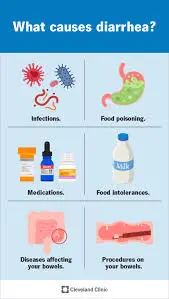
- Food Spoilage: High temperatures can cause food to spoil more quickly. Bacteria such as Salmonella and E. coli multiply more in warm conditions, making improperly stored or handled food a common culprit for foodborne illnesses that result in diarrhea. Consuming spoiled or improperly stored food can lead to foodborne illnesses.
- Outside Eating: Barbecues, picnics, and other outdoor activities often involve food that might not be kept at safe temperatures. Foods left out in the heat for extended periods can become breeding grounds for harmful bacteria.
- Dehydration: The heat can lead to dehydration, disrupting the balance of electrolytes in your body. This imbalance can affect your digestive system and result in diarrhea. Staying properly hydrated is crucial, especially in hot weather.
- Travel: Summer vacations often mean travel, which exposes you to new environments and unfamiliar foods. This can sometimes lead to gastrointestinal issues, as your digestive system adjusts to different bacteria and dietary habits.
- Infections: Warm weather can promote the growth and transmission of bacteria and viruses that cause diarrhea. Pathogens like norovirus and rotavirus spread more easily in crowded, warm environments, increasing the risk of infection.
Recognizing the Symptoms of Diarrhea

It’s essential to recognize the symptoms of diarrhea early to manage it effectively. Common symptoms include:
- Frequent, loose, or watery stools
- Abdominal cramps or pain
- Bloating
- Nausea or vomiting
- Urgent need to use the bathroom
If you experience these symptoms, stay hydrated and seek medical attention if the condition persists or worsens.
When to Seek Medical Help
While most cases of diarrhea resolve on their own, you should seek medical help if you experience:
- Severe dehydration (dry mouth, extreme thirst, dark urine, dizziness)
- Persistent diarrhea lasting more than two days
- High fever (over 101.5°F or 38.6°C)
- Blood or pus in the stool
- Severe abdominal or rectal pain
Prevention Tips for a Healthy Summer
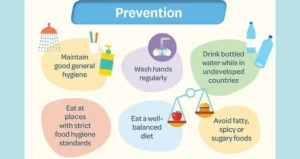
1. Proper Food Storage: Keep perishable foods refrigerated and ensure they are cooked to safe temperatures. Avoid leaving food out for longer duration, and use coolers with ice packs when transporting food to outside events.
2. Stay Hydrated: Drink plenty of water throughout the day to maintain proper hydration and electrolyte balance. Avoid excessive consumption of alcohol and caffeinated beverages, as they can contribute to dehydration.
3. Practice Good Hygiene: Wash your hands frequently, especially before eating and after using the restroom. Good hand hygiene is one of the most effective ways to prevent the spread of germs that cause diarrhea.
4. Be Cautious with New Foods: When traveling, eat new foods slowly and be mindful of food and water quality. Option for bottled water in areas where tap water may not be safe to drink.
5. Keep Cool: Try to stay cool and avoid overheating to prevent dehydration and its associated risks. Use fans, air conditioning, and wear lightweight clothing to manage body temperature.
By understanding these factors and taking proactive measures, you can enjoy a fun-filled summer without worrying about diarrhea. Stay informed, stay hydrated, and practice good food safety to keep your digestive health in check all season long.
Conclusion
The increased risk of diarrhea during summer is influenced by a combination of environmental factors and physiological responses. By understanding the science behind these risks and implementing effective prevention strategies, you can enjoy a healthy and enjoyable summer. Stay cool, stay hydrated, and be mindful of food safety to keep your digestive system happy.
