
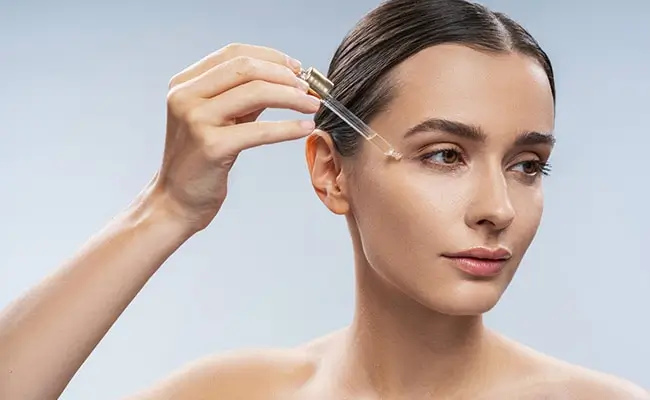
With so many face serums available today, picking the right one for your skin type and concerns can feel overwhelming, especially if you’re new to serums. Even if you’ve been using serums for a while, it’s good to check if you’re applying them correctly and if your skin’s needs have changed. Choosing the right serum is essential for maintaining healthy skin and enhancing its natural beauty.
What face serum do ?
A face serum delivers a powerful dose of ingredients to your skin, targeting specific concerns. These high-performance, concentrated formulas are designed to address particular issues and give your complexion a needed boost. Serums often contain fewer ingredients than other skincare products like moisturizers, but the active ingredients they do include penetrate deeply and efficiently. Typically, face serums are clear gel or liquid formulations with a lightweight consistency, making them perfect for layering with other products.
The Different Types of Face Serums

There are many types of face serums available, including hydrating, brightening, exfoliating, and anti-aging options. Before purchasing, it’s important to identify the specific issues you want your serum to address. Consider your main skin concerns carefully. Your skin type also plays a significant role in choosing the right serum. For instance, dry or dehydrated skin would benefit from a moisturizing or hydrating serum, while oily or acne-prone skin may respond well to an exfoliating formulation.
If you’re unsure of your skin type or have multiple concerns, consider consulting a dermatologist or skincare professional. A Skin Health Assessment, which uses UV Scanner Imaging technology to look beneath your skin’s surface, can help identify any hidden skin damage or conditions that aren’t visible to the naked eye.
What Does a Face Serum Do?
A face serum delivers a potent shot of ingredients to your skin, targeting specific concerns with high-performance, concentrated formulas. These serums are designed to address particular issues and give your complexion a needed boost. Serums typically contain fewer ingredients than other skincare products like moisturizers, but the active ingredients they do include penetrate deeply and efficiently. They usually come in clear gel or liquid formulations with a lightweight consistency, making them perfect for layering with other products.
1.Hydrating Serums
As the name suggests, hydrating serums are designed to introduce and retain moisture in your skin. Look for formulas that contain Hyaluronic Acid, one of the most common and effective ingredients in hydrating serums. Hyaluronic Acid, also known as Sodium Hyaluronate, is a powerful humectant that attracts and binds moisture to the skin, keeping it plump and hydrated. Other potent hydrators include Glycerin and Aloe Vera.
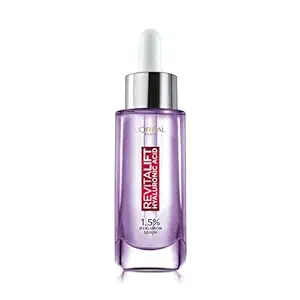
Suitable for all skin types, The Organic Pharmacy’s Hyaluronic Acid Serum delivers intense hydration, leaving your complexion looking plump, firm, and smooth. Featuring 0.2% naturally derived triple molecular weight Hyaluronic Acid, this lightweight formulation boosts the skin’s natural protective barrier, allowing it to retain and lock in moisture for longer. It’s clinically proven to increase hydration and reduce the appearance of lines and wrinkles.
2.Exfoliating Serums
Exfoliation removes dead cells from the surface of your skin, offering numerous benefits when done correctly. It helps decongest pores, maintains a bright and clear complexion, and allows other topical treatments to work more effectively. Exfoliating serums are chemical exfoliators that use ingredients such as acids to break down the bonds between skin cells, making them easier to shed. Common examples include Glycolic, Citric, Mandelic, Malic, and Lactic acids, which are Alpha Hydroxy Acids (AHAs), and Salicylic Acid, a Beta Hydroxy Acid (BHA).
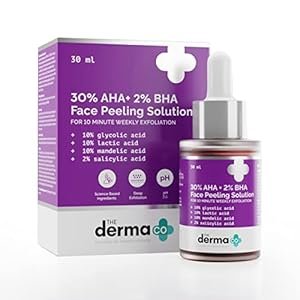
If your skin is oily or prone to breakouts, an exfoliating serum that unclogs pores and reduces sebum levels is a great addition to your skincare routine. We recommend SkinCeuticals Silymarin CF, which blends exfoliating acids with 15% Vitamin C and Silymarin (a milk thistle concentration). Created specifically for oily and blemish-prone skin, this multitasking antioxidant serum is clinically proven to reduce oil oxidation by up to 76%. It controls excess sebum, improves clarity, and refines skin texture while also providing high-level protection from free radical damage and fighting visible signs of aging.
3.Brightening Serums
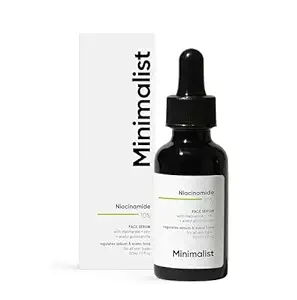
Brightening serums are designed to target hyperpigmentation, reduce discoloration, and enhance skin brightness and glow. Key ingredients to look for include Vitamin C and Niacinamide. Vitamin C promotes healthy skin cell turnover and blocks the enzyme responsible for melanin production, making it effective in diminishing sun damage and evening out red, blotchy skin. Niacinamide, also known as Vitamin B3, addresses dullness and uneven skin tone, minimizes the appearance of pores, and strengthens the skin’s barrier function. Unlike Vitamin C, which can cause irritation for sensitive skin, Niacinamide is generally well-tolerated by all skin types.
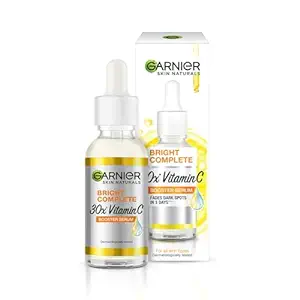
To boost your natural brightness, we recommend Emma Hardie’s Vitamin C Intense Daily Serum, which also includes Niacinamide. This formulation delivers a stable, time-released dose of Vitamin C to reduce the appearance of redness and pigmentation and protect against future age spots and sun damage.
4.Anti-Aging Serums
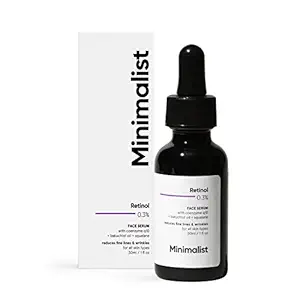
The term “anti-aging” covers a wide range of concerns, although most people associate it with lines and wrinkles. However, tone, texture, and volume are also important considerations. Many issues experienced by aging skin are due to a slowdown in cell turnover. Enter Retinol, a form of Vitamin A, which is renowned for promoting skin cell regeneration and is regarded as one of the most effective anti-aging ingredients available.
The good news is that Retinol is extremely versatile. It can soften fine lines and wrinkles, brighten discoloration, increase elasticity, and improve texture and tone, making it an excellent all-around anti-aging option for mature skin. However, Retinol can cause side effects such as dryness, tightness, redness, and increased sun sensitivity. Therefore, it’s crucial to get the dosage right and not overuse it.
Acne-fighting Serum
Acne-fighting serums might be the key to finally eliminating those pesky breakouts for good. Typically, we address acne reactively, dealing with breakouts once they’re already a major issue. However, the real goal should be to prevent breakouts before they even start. Serums are particularly effective for this purpose. They are designed with small molecules that penetrate deep into the skin to deliver powerful active ingredients. Unlike face washes and creams that primarily work on the skin’s surface, serums go deeper. Serums help to prevent acne breakouts before they form. They also assist in fading acne scars and gently exfoliating dead skin cells.
Acne-fighting serums tighten the skin, unclog and minimize pores, absorb excess oil, and reduce redness or irritation. Effective acne-fighting ingredients include salicylic acid, alpha-hydroxy acid (AHA) and beta-hydroxy acid (BHA), glycolic acid, citric acid, zinc, and botanical extracts like tea tree, thyme, cucumber, and green tea.
Conclusion
Face serums are a game-changer for your skin. They provide numerous anti-aging benefits to keep your face looking its best. No matter your specific needs, there’s a serum for you. These products can reverse aging, hydrate, brighten, exfoliate, fight acne, and renew your skin. Each serum has its unique focus within these six categories. Often, they address multiple issues simultaneously. Identify your primary skin concerns and choose a serum that targets them, while also reaping additional beauty benefits.
