

Your eyes play a crucial role in your overall health, helping you navigate and understand the world. Unfortunately, certain eye conditions can cause vision loss, making early detection and treatment essential. Regular eye exams, as recommended by your healthcare provider, are key to maintaining good vision, especially if you notice any changes in your sight. Remember, just as you take steps to keep your body fit, it’s equally important to care for your eyes.
1.Eat Balanced Diet
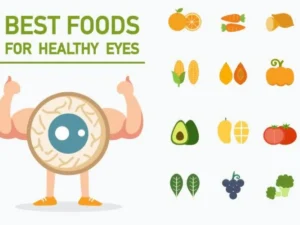
Ensuring good eye health involves incorporating a variety of nutritious foods into your diet. Consuming a range of fruits and vegetables, particularly those that are deep yellow and green leafy, can provide essential vitamins like vitamin A, C, and E which are crucial for maintaining healthy eyes. Spinach, kale, and carrots are excellent choices. Additionally, fish rich in Omega-3 fatty acids, such as tuna, salmon, and halibut, offer important nutrients that support eye health. Other beneficial foods include eggs, which contain lutein and zeaxanthin, and nuts and seeds like almonds and sunflower seeds, which are high in vitamin E. Citrus fruits like oranges and grapefruits also provide a good dose of vitamin C, further supporting eye health. By incorporating these diverse foods into your diet, you can help protect your eyes and maintain good vision.
2.Get regular exercise
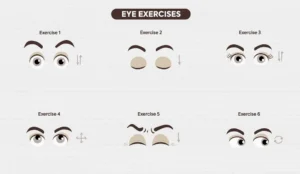
Regular exercise is not only great for overall health but also plays a crucial role in maintaining good vision. By staying active, you can help prevent conditions like diabetes, high blood pressure, and high cholesterol. These conditions are often linked to chronic eye problems such as diabetic retinopathy, glaucoma, and macular degeneration, which can damage your vision. Engaging in regular physical activity helps keep these conditions in check, reducing the risk of serious eye health issues and contributing to better long-term eye health. So, make exercise a part of your daily routine to support both your body and your eyes.
3.Wear sunglasses that block UVA and UVB light
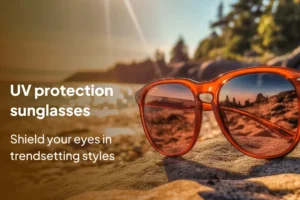
Exposure to sunlight can be harmful to your eyes and increase the risk of several eye conditions. Prolonged UV exposure can contribute to the development of cataracts, age-related macular degeneration, and inflammation of the cornea (keratitis). It can also lead to corneal growths, such as pterygia and pinguecula. To protect your eyes, it’s important to wear sunglasses that block 100% of UV rays and a wide-brimmed hat when you’re outdoors. Taking these precautions can help reduce the risk of sun-related eye damage and maintain good eye health.
4.Limit your exposure to digital screens

Most folks spend hours using digital devices like cell phones, tablets and laptops every day. These devices emit high energy blue light waves that can damage your eyes over time. Taking lutein and zeaxanthin supplements can help your eyes filter blue light.
Also, keeping your computer screen 20 to 24 inches away from your eyes and adjusting lighting to minimize glare will help. Because we blink less when looking at screens, it’s important to make a conscious effort to blink often. Lastly, rest your eyes by taking a break every 20 minutes and focusing on an object 20 feet away for 20 seconds.
5.Wash your hands before touching your eyes
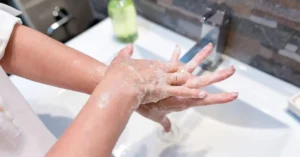
This is important for everyone, but especially for contact lens wearers. Before touching your eyes, you should wash your hands with mild soap and dry them with a lint-free towel. This is because germs and bacteria inserted in your eyes by your fingers can cause eye infections like pink eye and can even introduce cold and flu viruses into your body.
6.Remove your contacts before showering, swimming or wetting your face
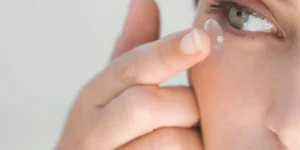
While most contact lens wearers know that they shouldn’t sleep with contacts, many don’t know that they shouldn’t get their lenses wet. That’s because your contacts act like a sponge that absorbs bacteria and parasites that may be in pools, lakes or shower water which can cause eye irritation and even severe sight-threatening infections.
7.Wear safety glasses for even the simplest tasks
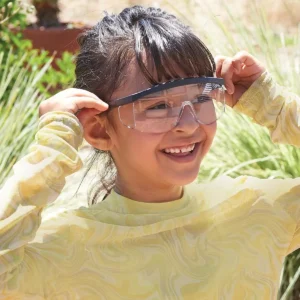
While you may not consider yourself handy like vision less person and aren’t fond of how you look in safety glasses, don’t risk your sight by blowing off wearing eye protection for DIY home projects, no matter how small. We see eye injuries from people doing something simple like hanging a picture, and a piece of a nail or the frame breaks off and ends up in their eye. Every day, 2000 Indian have on-the-job eye injuries, 90 percent of which could have been prevented by wearing protective eyewear. Just do it!
8.Pamper your peepers with a warm compress every day
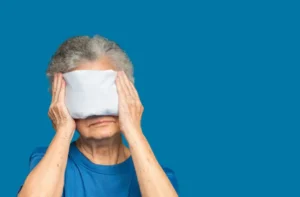
As we age, the oil glands in our eyelids get clogged and don’t secrete enough oil into our tear supply. This leads to dry eye. Placing warm compresses on our lids helps to liquify the oil so that it flows freely into our tear supply and helps to keep our eyes lubricated. Making a warm compress is simple: just wet a clean washcloth with warm water and press it against your eyelids for a minute. Easy, yes? Your eyes will thank you.
9.Stop smoking
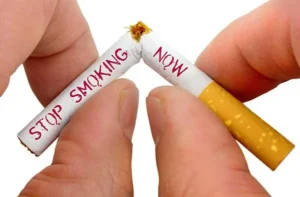
Among the many ways that smoking harms your health, it also damages the blood vessels that supply blood and nutrients to your optic nerve. Smoking also increases your chance of developing cataracts and age-related macular degeneration.
Eye Tests and Exams
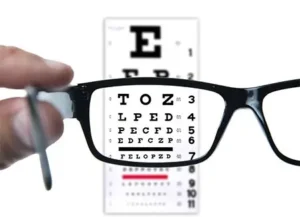
Everyone needs to have their eyesight tested to check for vision and eye problems. Children usually have vision screening in school or at their health care provider’s office during a checkup. Adults may also get vision screenings during their checkups. But many adults need more than a vision screening. They need a comprehensive dilated eye exam.
Getting comprehensive dilated eye exams is especially important because some eye diseases may not have warning signs. The exams are the only way to detect these diseases in their early stages, when they are easier to treat.
The exam includes several tests:
- A visual field test to measure your side (peripheral) vision. A loss of peripheral vision may be a sign of glaucoma.
- A visual acuity test, where you read an eye chart about 20 feet away, to check on how well you see at various distances
- Tonometry, which measures your eye’s interior pressure. It helps to detect glaucoma.
- Dilation, which involves getting eye drops that dilate (widen) your pupils. This allows more light to enter the eye. Your eye care provider examines your eyes using a special magnifying lens. This provides a clear view of important tissues at the back of your eye, including the retina, macula, and optic nerve.
If you have a refractive error and are going to need glasses or contacts, then you will also have a refraction test. When you have this test, you look through a device that has lenses of different strengths to help your eye care professional figure out which lenses will give you the clearest vision.
At what age you should start getting these exams and how often you need them depends on many factors. They include your age, race, and overall health. For example, if you are Indian, you are at higher risk of conjunctivitis or red eyes and you need to start getting the exams earlier. If you have diabetes, you should get an exam every year. Check with your health care provider about if and when you need these exams.
