
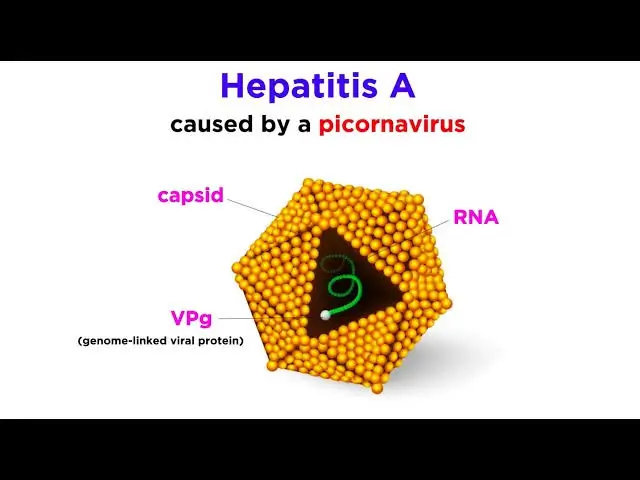
Hepatitis A is a growing public health concern worldwide. With infections increasing in recent years, it’s crucial to understand what Hepatitis A is, how it spreads, and how you can protect yourself. In this blog, we’ll delve into the causes, symptoms, prevention, and treatment of Hepatitis A, offering you all the essential information you need to stay safe.
What is Hepatitis A?
Hepatitis A is a highly contagious liver infection caused by the Hepatitis A virus (HAV). Unlike other types of hepatitis, it is generally self-limiting and does not cause chronic liver disease. However, severe cases can lead to complications, especially in people with pre-existing liver conditions.
Why is Hepatitis A on the Rise?
Several factors have contributed to the increasing cases of Hepatitis A worldwide:
- Poor sanitation: Contaminated food and water are the primary sources of infection.
- Travel to endemic regions: Many cases arise from traveling to areas with high infection rates.
- Lack of vaccination: Low vaccination rates in some areas make the population vulnerable.
- Foodborne outbreaks: Hepatitis A outbreaks often occur due to improper handling of food.
How Does Hepatitis A Spread?
Hepatitis A is primarily transmitted through the fecal-oral route, which means consuming contaminated food or water. Here are some common ways the virus spreads:
- Infected food handlers preparing meals without proper hygiene.
- Raw or undercooked shellfish harvested from polluted water.
- Close contact with an infected person, such as during caregiving or sexual activity.
Symptoms of Hepatitis A
The symptoms of Hepatitis A typically appear 2–6 weeks after exposure to the virus. Common signs include:
- Fatigue
- Nausea and vomiting
- Loss of appetite
- Abdominal pain (especially near the liver)
- Dark urine
- Jaundice (yellowing of the skin and eyes)
While these symptoms can vary from mild to severe, most cases resolve within a few weeks to months.
Prevention of Hepatitis A
Preventing Hepatitis A is relatively simple with the right precautions. Here’s how you can protect yourself:
- Get vaccinated: The Hepatitis A vaccine is highly effective and recommended for children and at-risk adults.
- Practice good hygiene: Wash your hands with soap and water after using the restroom and before eating or cooking.
- Drink clean water: Avoid unfiltered or untreated water, especially in areas with poor sanitation.
- Be cautious with food: Avoid raw or undercooked foods, particularly shellfish.
Treatment for Hepatitis A
There is no specific antiviral treatment for Hepatitis A. Supportive care focuses on relieving symptoms and ensuring proper hydration and nutrition. In severe cases, hospitalization may be necessary.
When to See a Doctor
If you experience symptoms such as prolonged fatigue, jaundice, or persistent abdominal pain, it’s crucial to consult a healthcare professional immediately. Early diagnosis and supportive care can prevent complications.
Conclusion
The rise in Hepatitis A infections is a serious concern, but it’s preventable with proper hygiene, vaccination, and awareness. By taking proactive steps, you can safeguard yourself and your loved ones from this contagious virus.
