
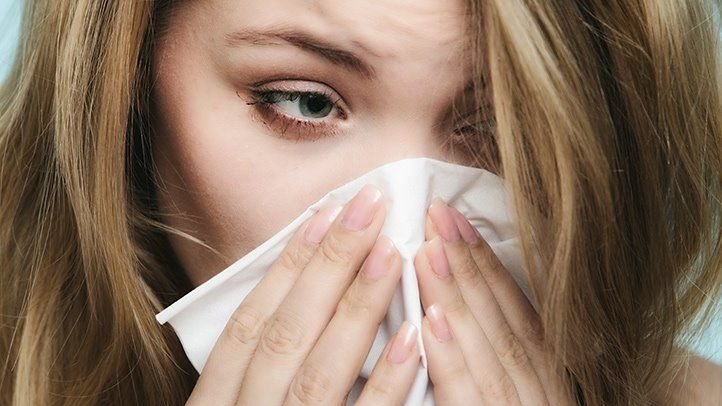
Allergies are an immune response to a foreign body that is not typically harmful to your body. These foreign particles do not bother other people. People who have allergies often are sensitive to a foreign body. These foreign bodies are pollen grains, food, insect stings, mold spores, pet dander, etc.
Basically, our immune system tends to fight germs. Our immune system is job to keep you healthy by fighting this foreign pathogen.
allergies are common and several treatments allow your body to fight these symptoms.
Depending upon the pathogen or allergen this response may be involved in inflammation, sneezing, itching, swelling, rashes, or asthma.
A doctor can detect your allergy problem by a diagnosis of skin and blood test. Treatments include medicines; allergies shot, and avoid the substance that causes allergies.
A most common type of allergic reaction
Allergic rhinitis
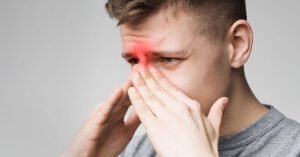
Also known as hay fever common in most people-is referred to as nasal symptoms due to allergens. allergic rhinitis is generally caused by weed pollens, trees, or grass.
Symptoms include
- Runny nose
- Stuffy nose
- Sneezing
- Itchy nose, ears, and throats
Asthma

Is the most common respiratory condition. It causes difficulty in breathing by making air passage narrow in your lungs.
Symptoms include in
- Shortness of breath
- Coughing
- Wheezing
- Chest tightness
Conjunctivitis
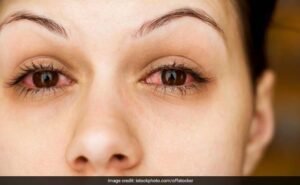
It is inflammation of a tissue of the layer of eyes that covers the surface of the eyeball and eyelids. This inflammation occurs in both eyes
Symptoms include
- Redness in eyes
- Watery
- Itching eye
- Swelling under eyes
Hives

Hives also known as urticaria. It is a skin reaction and can occur in any part of the body. It is short-lived and caused by food or medication also occur by getting contact with pets. Hives appear red, raised, and itchy.
Symptoms include as
- Raised and red
- Itchy
- Swelling
- Bruising
Allergies symptoms
Seasonal allergies
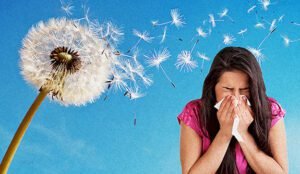
Seasonal allergies happens to certain periods of time, usually when season changes and trees mold grasses tiny weeds release tiny pollen particles( pollen allergies) into the air to fertilize other plans.
Severe seasonal allergies symptoms
- runny nose
- sneezing
- watery and itchy eyes
- ear congestion
Food allergies

After eating something distasteful and dangerous response occurs by the immune system it may take some time to realize a person to have food allergies. The reason for food allergies is unknown.
Food allergies symptoms
- itching in the mouth
- trouble in breathing
- abdominal pain
- dizziness
- nausea or vomiting
- skin rashes
Skin allergies
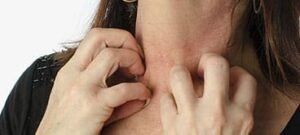
Skin allergies are mostly caused by coming in contact with dermatitis, body infection, and allergic reaction due to eating a certain type of medication. It is a temporary outburst of redness, bumpy areas, itchy patches on the skin, itching, etc.
Skin allergy symptoms
- scaly or flaky skin
- rashes or redness
- swelling
- raising bumpy
- cracked skin
Diagnosis
If you believe that you are suffering from an allergic reaction but you are not sure about it then you should consult your doctor and be ready to explain about
- What symptoms have you seen
- Any family history
- A similar reaction with your family members who have allergies
Based on your symptoms your doctor will recommend some tests.
Food allergies diagnosis
Blood test– it will help to recognize IgE antibodies level in your blood to known about specific allergens in the immune system.
Skin allergies diagnosis
Skin prick test– the doctor will prick a small part of skin with allergens if the skin reacts with allergens then a red or itchy part will appear.
Patch test– this test is done for checking eczema.
Treatment
Medication for allergies
- Leukotriene modifiers
- Antihistamines like diphenhydramine(Benadryl)
- corticosteroids
- Cromolyn sodium(Gastrocrom)
- Cetirizine(Zyrtec)
- loratadine
- Cromolyn sodium(Gastrocrom)
- Decongestants (Afrin, suphedrine PE, Sudafed
Epinephrine( in case of emergency)
If you are suffering from a life-threatening allergy, always carry an epinephrine shot. It will save you until medical help arrives.
Prevention
There is no way to cure allergies but you can control symptoms of allergies by avoiding allergy-causing pathogens.
Avoidance is the key to prevent allergic symptoms. An elimination diet can be effective to find the cause of allergy caused by food. To avoid food allergies always read about its contains and research about it before eating it.
If you have seasonal allergies avoid contact comes down to knowing where allergic pathogens are located.
Closing in
Preventing a reaction is always good here are some good tips about how to prevent a reaction.
Just make sure your family members or close friends know about your allergies.
Carry an epinephrine injector with you always.
Clean your nose properly with clean paper to avoid the risk of entering allergens into your nose.
Take medicine on time if you don’t remember then set an alarm.
Detox your body at least once a week
