
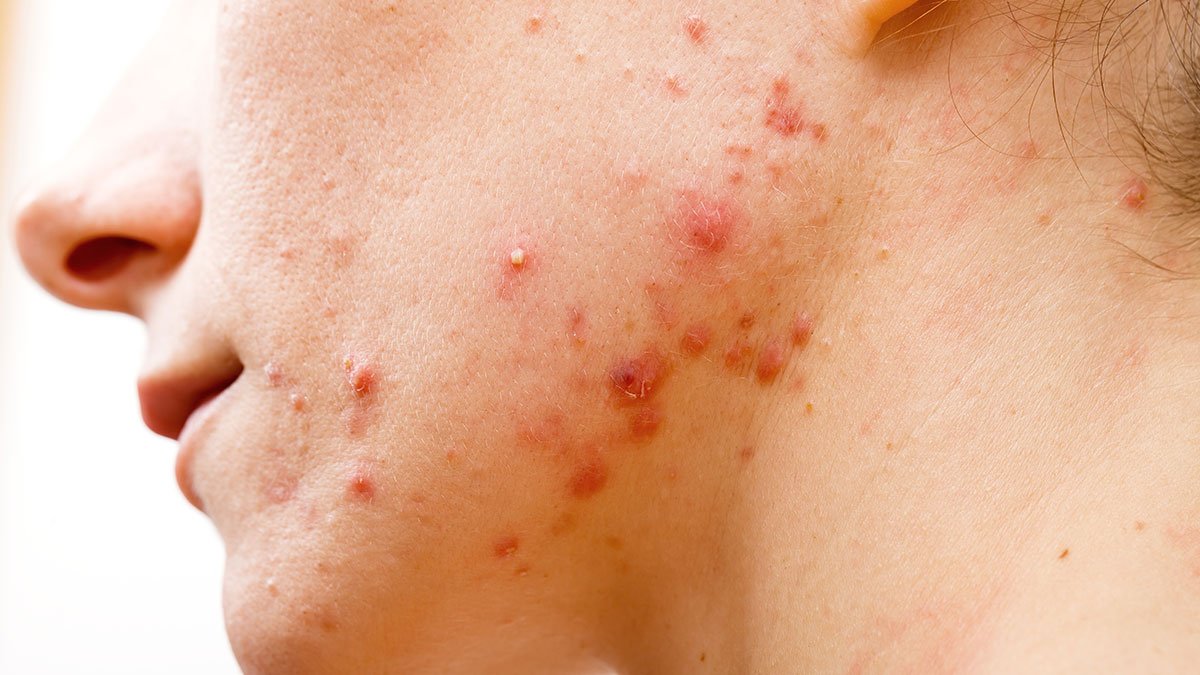
Acne is a skin condition that occurs when hair follicles plug-in oil and dead skin cells.
Acne is present in all groups of age, but most commonly acne hit after puberty and a large number of teenagers are dealing with acne.
Types of Acne
- Blackheads
- Whiteheads
- Papules
- Pustules
- Nodules and Cyst
Main Causes of Acne
-
Hormonal changes
An increase in testosterone stimulates our oils glands to produce excess sebum, which is one major cause of acne. During puberty, hormone acne often appears in T-zone. This includes your foreheads, nose, and chin. Hormonal acne can happen to anybody at any age due to fluctuation in the following hormones.
A hormonal imbalance can increase
- clogged pores
- skin inflammation
- oil (sebum production)
- Acne causing bacteria
2- Certain medication
Drugs including corticosteroids, lithium, anticonvulsants, and barbiturates, androgenic, steroids, Dhea, and medication that contain bromides or iodides can cause acne.
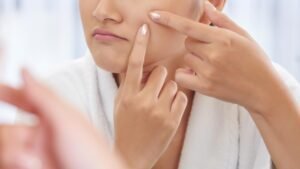
3- Diets
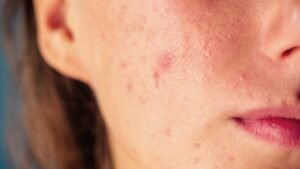
Food causes acne
- sugar
- dairy products
- fast food
- omega 6 fats
- chocolates
- whey protein powder
4- Stress
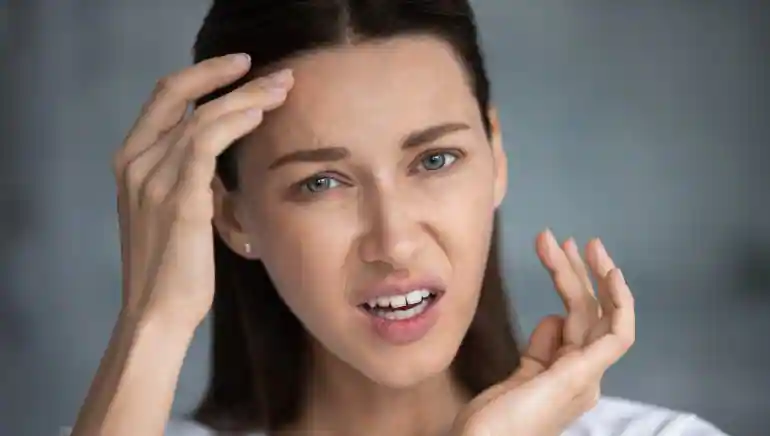
Stress-related hormones called CRH or Corticotrophin- releasing hormone, as one culprit. CRH can bind to the receptor in the skin’s sebaceous gland and that binding drives up skin oil production which can cause pimples.
Sleep- lack of sleep can cause stress in the body which can spike your cortical. Spikes in the cortical can then lead to inflammation and increased production of sebum which results in the clogged pore and eventually breakouts.
Acne treatment
-
Hormonal medication for acne
- Zinc supplements– giving oral supplements of zinc have shown to improve acne severity and zinc plays a role in maintaining skin health.
- Vertex- also known as chaste berry, may reduce acne before menstruation due to its ability to affect certain hormones.
-
For drugs
Try to avoid the drugs that mention above if you have a medical condition
-
Diet for acne-free skin
Anti-acne food can help prevent and treat acne. Specifically, foods rich in the following nutrients are linked to lower levels of acne; complex carbohydrates, zinc, vitamins A and E, Omega-3-fatty acids, antioxidants.
-
Acne Stress control
Natural remedies for acne stress
- Tea tree oil– Reduces swelling and redness.
- Jojoba oil– It contains healing properties, moisturizing, and is a natural antimicrobial
- Aloe Vera– Contains antibacterial properties that can help control and reduce acne-causing bacteria.
- Honey– Honey cleans out the pores to remove dirt and impurities.
- Green tea– helps reduce skin irritation, skin redness, and swelling.
Note: – Please consult your doctor before use.
Preventing acne daily care
- Wash your face twice a day.
- Avoid picking pimples as this may lead to acne scarring.
- Avoid anxiety and stress.
- Maintain hormonal acne diet
- Stay hydrated
Closing in
Lots of reason is there for acne problems. Everyone gets pimples in their different age group.
Pimples leave a scar on the face and cause depression and anxiety.
Maintain a hormonal acne diet, increase consumption of that food that contains omega-3-fatty acid.
Distress yourself by doing meditation and staying calm. Most acne problems need some time to get rid of it.
