
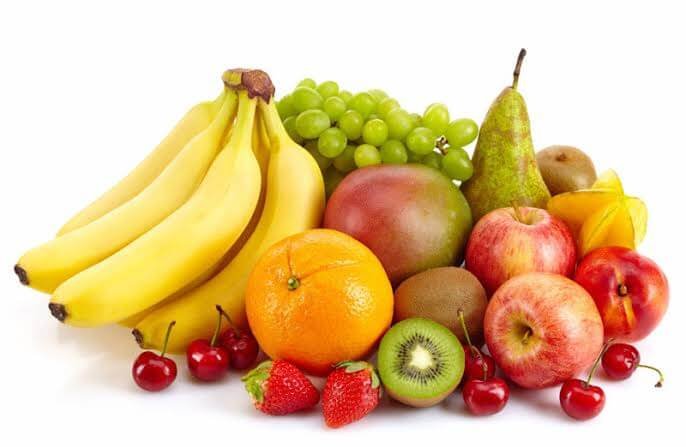
Though there are still some misconceptions regarding fruits, they are regularly commended for being essential parts of a balanced diet. A number of myths that have persisted over time have left a lot of people unsure about the actual health advantages of fruits. We will clear up these myths in this blog and give you evidence-based information so you can make wise choices regarding your diet.
Myth 1: Fruits Have Too Much Sugar and Are Bad for You
One of the most common myths regarding fruits is that they should be avoided because they are excessively sugary, particularly if you are worried about gaining weight or having diabetes. The misconception is the result of mixing up added sugars in processed meals with natural sugars found in fruits.
Fact: Fruits provide natural sugars like fructose along with fiber, vitamins, and minerals. This combination offers a consistent energy source and promotes with blood sugar regulation. Studies have shown that there is no correlation between eating entire fruits and a higher risk of diabetes. As a matter of fact, fruits like citrus, berries, and apples can help reduce the risk of chronic medical conditions.
Myth 2: You can only eat fruits on an empty stomach
Fruits slow down the process of digestion and help food break down in the stomach when consumed with meals. In addition, there are some claims that indigestion, stomachaches, and plenty of other medical conditions can bring on by undigested food.
Fact: There is no reality to the claims made about the slowing down of food release from the stomach caused by the fiber in fruits. Fruits do not slow down stomach digestion; rather, they only slow down how quickly food leaves your stomach and enters the small intestine. In actuality, slowing down digestion can be advantageous. Fruits contain fiber, which helps you feel fuller for longer and burn off more calories.
Myth 3: Eating Fruits at Night Makes You Gain Weight
The idea that eating fruit at night can make you gain weight is another common misconception. This theory is based on the false belief that eating carbs at night has a negative impact on controlling weight.
Fact: In actuality, the timing of your meals has little bearing on weight growth; rather, it is your total calorie intake and consumption. Fruits are a nutrient-dense, low-calorie food that may be consumed at any time of day as part of a balanced diet. They supply vital nutrients and can help quell cravings for unhealthy treats in the wee hours of the morning.
Myth 4: Fruit Juices Are Just as Healthy as Whole Fruits
Fruit juices are sometimes thought of as a healthier substitute for full fruits, however they don’t have the same nutritional value. Juiced fruits lack all of fiber, making them heavy in sugar and lacking in the satisfying feeling that comes with whole fruits.
Fact: Fruits in their whole form contain fiber, which promotes healthy digestion, regulates blood sugar, and prolongs feelings of fullness. Furthermore, fruit drinks contain more calories than entire fruits do. Eating whole fruits is preferable to consuming fruit juices for maximum health benefits.
Myth 5: You shouldn’t eat fruits if you have diabetes
It’s a popular misconception that meals that are “too sweet” should be avoided if you have diabetes. Even if some fruits are higher in sugar than others, having diabetes doesn’t imply you shouldn’t consume them.
Fact: It has been feared that fruits raise blood glucose levels due to their sugar content. However, compared to other foods containing carbohydrates, such as white or refined bread products, most fruits have low to medium glycaemic indices, meaning they do not cause a significant spike in blood glucose levels.
Controlling blood sugar, blood pressure, blood lipids, and weight are all important aspects of controlling diabetes, and fruits and vegetables can help with all of these.
Myth 6: Dried Fruits Are Less Nutritious Than Fresh Fruits
Many people believe that dried fruits are less rich in nutrients than their fresh counterparts. The majority of the nutrients included in fresh fruits are still present in dried fruits, despite the fact that a lack of water makes them higher in calories.
Fact: Vitamins, minerals, and antioxidants abound in dried fruits including figs, raisins, and apricots. But compared to fresh fruits, they also have more calories and sugars per serving. When it comes to dried fruit consumption, moderation is crucial, especially for those who are watching their calorie intake.
Myth 7: Organic Fruits Are Always Healthier Than Non-Organic Ones
Although there isn’t much of a nutritional difference between organic and non Organic Fruits, organic fruits are nevertheless often thought to be superior. The main difference is in the farming methods employed; organic farming
practices do not use artificial fertilizers or pesticides.
Fruits, whether organic or not, are rich in vital nutrients that are good for your health. While selecting organic fruits can limit your exposure to pesticides, both varieties of fruits are equally beneficial to your health from a nutritional perspective. In order to maintain a balanced diet, it’s critical to concentrate on eating a range of fruits.
Myth 8: There is no difference between fresh and dried fruits
According to this myth, there is no difference in nutrition content between fresh and dried fruits and therefore can be consumed interchangeably.
Fact: Fresh fruits and dried fruits both have their own health-promoting qualities. Fresh fruits are high in minerals and vitamin C, which is a heat-sensitive vitamin that is often reduced or lost in dried fruit during processing. Fresh fruits also have high water content in them.
Dried fruits are good sources of vitamins, minerals and fibre. It is also high in natural sugar and calories because after the water has been removed, it concentrates all the sugar and calories in a much smaller package. Portion control is important if you are on a weight reduction plan. It is also important to choose only the plain dried fruits rather than those coated with sugar or added preservatives, which could compromise its nutritional value.
Myth 9: Fruit detox drinks can rid the body of toxins
Juicing is a good way to remove toxins from your body, which helps your organs function better and stay in optimal condition longer.
Fact: There is no clear scientific evidence to support the claim made for detox juices. Juicing deprives you of the fibre contained in the fruit, therefore, drinking only freshly squeezed fruit and vegetable juices for several days at a time is actually not a good idea. Long-term consumption may also be toxic in high doses and lead to permanent organ damage.
Nevertheless, not all is bad with these drinks. Incorporating juices that is rich in fruits, vegetables, nuts and seeds into your diet without totally replacing your meals may be healthful and promotes the natural detoxification system in the body. This creates overall balance and also helps you achieve your daily recommended dietary intake. Opt to blend the fruits instead of juicing them to retain the fibre.
Conclusion
Understanding the facts behind these common myths can help you make better dietary choices and enjoy the many benefits that fruits have to offer. Fruits are a vital part of a healthy diet, providing essential nutrients, fiber, and antioxidants. By debunking these myths, you can incorporate fruits into your meals with confidence, knowing that they contribute positively to your overall well-being.
Remember, a balanced diet that includes a variety of fruits and vegetables is key to maintaining good health. Embrace the diversity of fruits available, and enjoy them as part of a nutritious and satisfying diet.
