
In today’s fast-paced world, finding effective ways to manage stress is more important than ever. Anxiety and stress are common and can be caused by many different things, such as a big life challenge, a buildup of smaller difficulties, or mental health conditions. Navigating all the feelings associated with anxiety and stress can be difficult, but one of the most promising and natural approaches to achieving calm is through herbal stress relief. This method harnesses the power of nature to help alleviate anxiety and promote relaxation.
Understanding Herbal Stress Relief
Herbal stress relief involves using plants and natural extracts known for their calming properties. These herbs have been utilized for centuries in various cultures to help combat stress and anxiety. Including herbal remedies into your daily routine can be a simple and effective way to achieve natural stress relief.
Understanding Your Needs
The first step in selecting the right stress relief pills is to clearly identify your specific needs. Stress manifests differently in each individual, and what works for one person might not be effective for another. Common symptoms of stress include anxiety, irritability, difficulty sleeping, fatigue, and trouble concentrating. Reflect on which symptoms are most prominent for you, as this will guide your choice of supplements.
Consult with a Healthcare Professional
Before starting any new supplement, it’s imperative to consult with a healthcare professional. This step ensures that the chosen supplements do not interact negatively with any medications you are currently taking or exacerbate underlying health conditions. A healthcare provider can also help determine the appropriate dosage and provide guidance on the most effective supplements based on your individual health profile.
7 Best Vitamin Supplements for Stress Relief
In addition to herbs, certain vitamins play a crucial role in managing stress. Here are seven of the best vitamin supplements for stress relief:
- Vitamin B Complex: Vitamin B complex includes eight essential B vitamins (B1, B2, B3, B5, B6, B7, B9, and B12) that are crucial for brain health and energy production. They help convert food into energy, support neurotransmitter function, and maintain nerve health, all of which are essential for reducing stress levels. Sources: Whole grains, meat, eggs, dairy products, legumes, seeds, and nuts.
- Vitamin :Vitamin C is well-known for its immune-boosting properties, but it also plays a significant role in reducing stress by lowering cortisol levels, a hormone released in response to stress. It acts as an antioxidant, protecting the body against oxidative stress. Sources: Citrus fruits, berries, bell peppers, dark leafy greens, and tomatoes.
- Vitamin D: Often called the “sunshine vitamin,” vitamin D is essential for regulating mood and combating anxiety. It influences the function of neurotransmitters in the brain, including serotonin, which affects mood and emotional well-being. Sources: Sun exposure, fatty fish, fortified dairy products, and supplements.
- Magnesium: Magnesium is a mineral that helps relax muscles and reduce tension, making it a key component for stress relief. It supports the function of GABA, a neurotransmitter that promotes calm and relaxation. Magnesium deficiency is often linked to increased stress and anxiety. Sources: Nuts, seeds, whole grains, leafy green vegetables, and legumes.
- Zinc: Zinc is vital for brain function, and a deficiency in zinc is associated with increased anxiety and stress. It plays a role in modulating the brain and body’s response to stress and helps maintain a healthy immune. Sources: Meat, shellfish, legumes, seeds, nuts, and dairy products.
- Omega-3 Fatty Acids: Omega-3 fatty acids, particularly EPA and DHA, are crucial for brain health. They help reduce inflammation and support cognitive function, which can alleviate symptoms of anxiety and depression. Sources: Fatty fish (such as salmon and mackerel), flaxseeds, chia seeds, and walnuts.
- L-Theanine: L-theanine is an amino acid found in tea leaves, particularly green tea. It promotes relaxation without causing drowsiness by increasing the levels of calming neurotransmitters like GABA, dopamine, and serotonin in the brain. This helps improve mood and reduce stress. Sources: Green tea, black tea, and supplements
Best Supplements for Anxiety
When it comes to anxiety, certain supplements have been shown to be particularly effective.
Here’s what we know — and don’t know — about some herbal supplements:
- Ashwagandha :- Ashwagandha is an adaptogen that helps the body cope with stress. It reduces cortisol levels and promotes a sense of calm and well-being. It also supports overall energy levels and resilience to stress . Sources: Supplements, powders, and teas.
- Rhodiola Rosea :Rhodiola Rosea is known for its ability to enhance mood and reduce fatigue. It acts as an adaptogen, helping the body adapt to stress and improving mental performance and energy levels. Sources: Supplements and teas.
- Valerian Root :-Valerian root is often used as a natural remedy for anxiety and insomnia. Some studies suggest it helps reduce anxiety and stress, although results can be mixed. It is generally considered safe for short-term use but may cause side effects like headache, dizziness, and sleepiness. Long-term safety is not well established, so use it under medical supervision if needed for extended periods. Sources: Supplements and teas.
- Chamomile:-Renowned for its calming effects, chamomile can help reduce anxiety symptoms. Limited data suggests short-term use is likely safe, but high doses can increase the risk of bleeding when used with blood-thinning medications. Chamomile may cause allergic reactions in some people, especially those sensitive to plants like ragweed, marigolds, daisies, and chrysanthemums. Sources: Teas and supplements.
- Lavender: Both the scent and extract of lavender are used to promote relaxation and ease anxiety. Aromatherapy with lavender can reduce anxiety, but evidence is limited. Oral lavender can cause side effects such as constipation, upset stomach, and headache. It is not recommended for children, teens, pregnant, or breastfeeding women due to potential hormonal disruptions and safety concerns. Sources: Essential oils, teas, and supplements.
Natural Stress Relief with Herbal Supplements
Combining vitamins and herbal supplements can offer a powerful approach to natural stress relief. For instance, using an anti-anxiety supplement like ashwagandha alongside a vitamin B complex can enhance your body’s ability to handle stress more efficiently.
The Synergy of Vitamins and Herbal Supplements
Vitamins play crucial roles in our overall health, particularly in supporting the nervous system and regulating mood. For example, a vitamin B complex, which includes B1 (thiamine), B2 (riboflavin), B3 (niacin), B5 (pantothenic acid), B6 (pyridoxine), B7 (biotin), B9 (folate), and B12 (cobalamin), is essential for brain function and energy production. These vitamins help reduce stress by supporting neurotransmitter function and improving overall brain health.
On the other hand, herbal supplements offer unique benefits through their natural compounds that can influence our body’s stress response. Adaptogenic herbs like ashwagandha help the body cope with stress by balancing cortisol levels and enhancing resilience to anxiety and fatigue.
Enhanced Stress Relief with Combined Use
Using an anti-anxiety supplement like ashwagandha alongside a vitamin B complex can significantly enhance your body’s ability to handle stress more efficiently. Here’s how:
Ashwagandha
- Adaptogen: Helps the body adapt to stress by balancing cortisol levels.
- Anxiety Reduction: Lowers anxiety and promotes a sense of calm.
- Energy and Stamina: Increases energy and reduces fatigue, combating stress-induced exhaustion.
Vitamin B Complex
- Nervous System Support: Essential for the proper functioning of the nervous system.
- Energy Production: Converts food into energy, helping to reduce feelings of fatigue.
- Mood Regulation: Supports the production of neurotransmitters like serotonin, which help regulate mood and stress levels.
Practical Applications
Including both vitamins and herbal supplements into your daily routine can create a robust defense against stress. For instance, you might start your day with a vitamin B complex supplement to ensure your brain and nervous system are functioning optimally. Adding ashwagandha, whether in capsule, powder, or tincture form, can provide the adaptogenic support needed to keep cortisol levels in check and maintain a calm demeanor throughout the day.
Anti Anxiety Supplement Options
There are numerous anti-anxiety supplements available that harness the power of herbs and vitamins. Popular choices include:
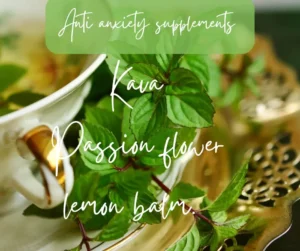
- Kava: Some people use kava as a short-term treatment for anxiety. But reports of serious liver damage — even with short-term use — caused the U.S. Food and Drug Administration (FDA) to issue warnings about the use of dietary supplements containing kava. Although these initial reports of liver toxicity have been questioned, use extra caution and talk with your doctor or other medical professional first if you’re thinking about using products that contain kava. Do not use kava if you’re pregnant or breastfeeding.
- Passion flower. A few small clinical trials have suggested that passion flower might help with anxiety. In many commercial products, passion flower is combined with other herbs, making it difficult to tell the unique qualities of each herb. When used short-term, passion flower is likely safe when taken as directed. Do not use if you’re pregnant or breastfeeding. Some studies found that passion flower can cause sleepiness, dizziness and confusion.
- Lemon Balm: Lemon balm (Melissa officinalis) is a perennial herb from the mint family, prized for its calming properties. Known for its mild lemon scent and flavor, it has been used for centuries to reduce stress, anxiety, and insomnia. Lemon balm can be consumed as a tea, tincture, or in capsule form. It works by increasing the availability of GABA, a neurotransmitter that promotes relaxation. Additionally, lemon balm may improve cognitive function and digestive health. While generally safe, it can interact with thyroid medications and sedatives, so it’s important to consult a healthcare provider before use, especially for those with underlying health conditions.
How to Include Herbal Remedies into Your Routine
Integrating herbal stress relief into your life can be simple and enjoyable. Here are some practical ways to include these natural remedies in your daily routine:
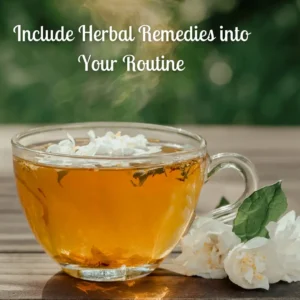
1.Tea Time Ritual :Creating a daily tea ritual can be a relaxing way to incorporate stress-relieving herbs into your routine. Try having a cup of chamomile or lemon balm tea in the evening to help unwind before bed.
2.Aromatherapy: Use essential oils like lavender or chamomile in a diffuser to fill your home with calming scents. You can also add a few drops to your bath or use them in massage oils.
3.Supplements: If teas and essential oils aren’t your thing, herbal supplements are a convenient alternative. Look for high-quality capsules or tinctures of ashwagandha, valerian root, or other stress-relieving herbs.
4.Mindful Moments: Combine herbal remedies with mindfulness practices such as meditation or yoga. The calming effects of herbs like lavender and chamomile can enhance the relaxation benefits of these activities.
5.Herbal Baths: Add dried herbs or a few drops of essential oil to your bath for a soothing soak. A lavender or chamomile bath can be a perfect way to end a stressful day.
Choosing the Right Stress Relief Pills
When selecting stress relief pills, it’s important to consider your specific needs and consult with a healthcare professional. Stress relief pills can vary in their composition, with some focusing more on herbal ingredients and others on vitamins and minerals. Finding the right balance is key to achieving the desired effects.
Understanding Your Needs
The first step in selecting the right stress relief pills is to clearly identify your specific needs. Stress manifests differently in each individual, and what works for one person might not be effective for another. Common symptoms of stress include anxiety, irritability, difficulty sleeping, fatigue, and trouble concentrating. Reflect on which symptoms are most prominent for you, as this will guide your choice of supplements.
Consult with a Healthcare Professional
Before starting any new supplement, it’s imperative to consult with a healthcare professional. This step ensures that the chosen supplements do not interact negatively with any medications you are currently taking or exacerbate underlying health conditions. A healthcare provider can also help determine the appropriate dosage and provide guidance on the most effective supplements based on your individual health profile.
Conclusion
Incorporating herbal stress relief into your lifestyle can be a transformative experience. By combining the best supplements for anxiety with effective stress relief pills, you can pave your path to natural relaxation. Whether you’re looking for a powerful anti-anxiety supplement or simply aiming to enhance your overall well-being, natural remedies offer a safe and effective solution to managing stress in today’s hectic world.
FAQs
1.Who shouldn’t use herbs for anxiety?
If you’re thinking about using herbs to alleviate anxiety, talk with your doctor first. Conditions in which you should avoid taking herbs:-
- Pregnant or breastfeeding women
- Children and adolescents
- Individuals with chronic health conditions
- Those taking prescription medications
- People with allergies or sensitivities
- Individuals with severe mental health disorders
- Pre-surgery patients
- Individuals with a history of substance abuse
- Always consult with a Pregnant or breastfeeding women
2.Are there any safety considerations for using herbs for anxiety?
Remember that just because herbal treatments are deemed natural doesn’t mean that they’re always safe. It’s important to be mindful of potential drug interactions, along with side effects of herbs. Talk with your doctor to decide if herbs are right for you.
3.Can I use herbs along with my prescribed medications?
Herbal treatments shouldn’t be used in the place of prescription medication without the guidance of your healthcare professional. Herbal supplements may interact with certain prescription anxiety medications and there can be safety concerns when combining the two. If you’re currently taking a prescription for anxiety, talk with your doctor when considering herbal treatments.
4.Can herbs cure my anxiety?
While many people have found anxiety relief through herbs, they’re not intended to treat the underlying causes of anxiety, such as trauma, distorted thinking patterns, disruptive life events, or safety concerns. A mental health professional can help you to better understand the root of your anxiety and support you in alleviating the accompanying symptoms and underlying feelings.
5.What different ways can I introduce herbs into my routines?
There are a number of different ways to take herbal remedies for anxiety. Herbs can be taken as teas, tinctures, bitters, or supplements. You can also enjoy the benefits of herbs through essential oils, used in diffusers, or even added to baths.
