

Anxiety disorder
Anxiety is an emotion characterized by feelings of tension, worried thoughts, and physical changes like an increase in heartbeat and blood pressure.
It is the most common group of mental illnesses in the country.
Anxiety involves sudden Changes in feelings of a person with intense anxiety and fear that reach a peak within minutes.
Before going to the doctor consultant first know the difference between normal feelings of anxiety and an anxiety disorder requiring medical attention can help a person identify and treat the condition.
Anxiety can interrupt your daily activities, are difficult to control, are out of proportion to the actual danger, and can last a long time.
What is anxiety?
It is a hormone and chemical messenger in the brain, which in turn triggers these anxious reactions in a process called the “fight-or-flight response. This prepares humans to physically confront or flee any potential threats to safety.
You might feel disturbed when you faced a problem
Examples like work problems, before taking a test, or before making an important decision.
Symptoms of anxiety
- Breathing rapidly
- Sweating
- sometimes headache
- Feeling dull or tired
- Trouble concentrating or thinking about anything that time
- Having sleepless night
- Facing hunger problems
- Having difficulty controlling worry
- Having the urge to avoid things that cause anxiety
.
Some serious symptoms of anxiety disorder
Generalized Anxiety disorder risk factor
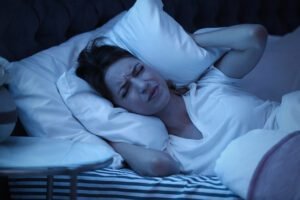
Some of the risk factors of anxiety disorder are
- Low sexual desire
- Traumatic experiences
- Night and day hallucination
- Mental health disorder
- Urge to drink alcohol or drugs
Anxiety disorder causes chest pain

chest pain or sometimes panic attack is noticed in many people’s during anxiety disorder
How to reduces chest pain?
- Practicing deep breathing
- Managing stress
- Regular exercise
- Eat balanced diet
Anxiety disorder cause tremors

Anxiety disorder can trigger other symptoms
- Muscle tension
- Increased breathing and heart rate
- Anxiety shaking
Anxiety trouble breathing all-day

Women having a heart attack when they are panic or stressed. The muscles of the heart contract and it can make your heart beat faster than normal, you feel suffocated and not able to breathe properly.
Note:-Using certain medicines can make your symptoms worse
Causes of anxiety
- Environmental stressors, such as difficulties at work, relationship problems, or family issues.
- Genetics, as people who have family members with an anxiety disorder, are more likely to experience one themselves.
- Medical factors, such as the symptoms of a different disease, the effects of a medication, or the stress of an intensive surgery or prolonged recovery.
- Heart disease
- Diabetes
- Thyroid problems, such as hyperthyroidism
- Respiratory disorders, such as chronic obstructive pulmonary disease (COPD) and asthma
- Drug misuse or withdrawal
- Withdrawal from alcohol, anti-anxiety medications (benzodiazepines), or other medications
- Chronic pain or irritable bowel syndrome
- Rare tumors that produce certain fight-or-flight hormones
Self-treatment
- Stress management: self-managing stress can help limit potential causes. Organize any upcoming pressures and deadlines, compile lists to make daunting tasks more manageable, and commit to taking time off from study or work.
- Relaxation techniques: Simple activities can help manage your mental and physical signs of anxiety. These techniques include meditation, deep breathing exercises, spending time with nature.
- Exercises to replace negative thoughts with positive ones:
Try to make a list of your negative thought that bothered you.
The best way to avoid negative thoughts is to join some kind of activity that you love to do
Start something new and fresh
Some of the best options are
- Gym
- Dancing
- Aerobics
- Yoga practicing
- Zumba
- Mind healing therapy
- Talk to someone special: Talk with supportive, familiar people, such as a family member or friend. Support group services may also be available in the local area and online.
- Go for physical fitness: Physical fitness can improve self-image and release chemicals in the brain that trigger positive feelings.
Psychotherapy
Psychotherapy or “talk therapy” can help people with anxiety disorders. To be effective, psychotherapy must be directed at the person’s specific anxieties and tailored to his or her needs.
Medication
Prescription for tension is endorsed by specialists, such as a psychiatrist or primary care provider. a few states allow some clinicians who have received specialized training to prescribe psychiatric medications. The most Well known classes of medications used to combat anxiety disorders are anti-anxiety drugs (such as benzodiazepines), antidepressants, and beta-blockers.
Antidepressants
Antidepressants called selective serotonin reuptake inhibitors (SSRIs) and serotonin-norepinephrine reuptake inhibitors (SNRIs) are commonly used as first-line treatments for anxiety.
Less-commonly used — but effective — treatments for anxiety disorders are older classes of antidepressants, such as tricycle antidepressants and monoamine oxidize inhibitors (MAOIs).
Closing in
It is very important to understand anxiety disorder.
It can be treated with medication and proper treatment
It cannot be gone forever from your life but you will understand to live with that with time.
When you are worried or having stress, go to see a psychologist.
