
Stress has become an inevitable part of our modern lives. Whether it’s work pressures, personal challenges, or the constant bombardment of information, we all experience stress in various forms. While a certain amount of stress can be motivating, chronic stress can have serious effects on our physical and mental health. Fortunately, there are simple yet effective techniques to help you manage and relieve stress quickly. In this blog post, we’ll explore six straightforward steps that can significantly reduce your stress levels and promote a sense of calm and well-being.
1.Practice Deep Breathing
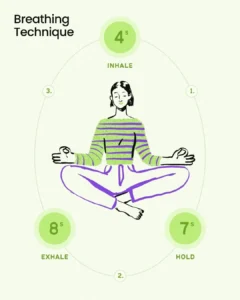
Deep breathing exercises are a powerful tool for stress relief. This simple technique can help calm your mind and reduce anxiety by focusing on your breath. Here’s how to do it:
- Find a Comfortable Position: Sit or lie down in a comfortable position, ensuring your back is straight.
- Inhale Deeply: Close your eyes and take a deep breath in through your nose for a count of four, feeling your abdomen rise.
- Hold Your Breath: Hold the breath for a count of four.
- Exhale Slowly: Exhale slowly through your mouth for a count of four, feeling your abdomen fall.
- Repeat: Continue this pattern for a few minutes, concentrating on your breath and letting go of any distracting thoughts.
By practicing deep breathing regularly, you can reduce your stress levels and cultivate a sense of inner peace and relaxation. This technique is particularly effective because it engages your parasympathetic nervous system, which helps your body return to a state of calm.
2. Engage in Physical Activity
Physical activity is one of the most effective ways to combat stress. When you exercise, your body releases endorphins, which are natural mood lifters that can help reduce anxiety and improve your overall sense of well-being. Here are some tips to get started:
- Find an Activity You Enjoy: Whether it’s brisk walking, jogging, swimming, cycling, or practicing yoga, choose an activity that you find enjoyable and engaging.
- Start Small: If you’re new to exercising, start with short sessions of 15-20 minutes and gradually increase the duration as your fitness improves.
- Make it a Habit: Aim to incorporate physical activity into your daily routine. Consistency is key to reaping the stress-relieving benefits of exercise.
- Include Variety: Mix different types of exercises to keep things interesting and work different muscle groups. This can include aerobic exercises, strength training, and flexibility exercises.
- Buddy Up: Exercising with a friend or in a group can provide social support and make the activity more enjoyable.
By regularly engaging in physical activity, you can significantly reduce your stress levels, improve your mood, and boost your overall health. Remember, the goal is to move your body and find joy in the process, so pick activities that make you feel good and fit into your lifestyle.
3. Practice Mindfulness and Meditation
Mindfulness and meditation are proven techniques for managing stress. By focusing on the present moment and quieting the mind, you can reduce the impact of stressors and promote a sense of calm. Here’s how you can get started:
- Find a Quiet Space: Choose a quiet, comfortable place where you won’t be disturbed.
- Get Comfortable: Sit or lie down in a comfortable position with your back straight.
- Focus on Your Breath: Close your eyes and take a few deep breaths. Pay attention to the sensation of the air entering and leaving your body.
- Observe Your Thoughts: Allow your thoughts to come and go without judgment. If your mind wanders, gently bring your focus back to your breath.
- Start Small: Begin with just a few minutes of meditation each day, gradually increasing the duration as you become more comfortable with the practice.
Incorporating mindfulness and meditation into your daily routine can help you manage stress more effectively. These practices encourage a state of relaxation and awareness, allowing you to respond to stress with greater clarity and calmness.
4. Maintain a Healthy Diet

What you eat has a significant impact on your stress levels. A balanced diet rich in essential nutrients can help your body handle stress better and improve your overall mood. Here are some dietary tips for stress management:
- Eat a Balanced Diet: Include a variety of fruits, vegetables, whole grains, lean proteins, and healthy fats in your meals. This ensures you get all the necessary nutrients to support your body.
- Stay Hydrated: Drink plenty of water throughout the day to stay hydrated, as dehydration can increase feelings of stress and anxiety.
- Limit Caffeine and Sugar: Excessive caffeine and sugar intake can lead to energy spikes and crashes, exacerbating stress. Opt for herbal teas and natural sweeteners instead.
- Include Omega-3 Fatty Acids: Foods rich in omega-3s, such as salmon, walnuts, and flaxseeds, can help reduce inflammation and improve brain function, which can aid in stress reduction.
- Eat Regularly: Skipping meals can lead to drops in blood sugar levels, which can cause irritability and stress. Aim for regular, balanced meals and healthy snacks to keep your energy levels stable.
Maintaining a healthy diet is essential for managing stress and supporting your overall well-being. By fueling your body with the right nutrients, you can better cope with stress and maintain a more balanced mood.
5. Stay Connected with Loved Ones

Maintaining strong social connections is crucial for managing stress and enhancing emotional well-being. Having a support network of friends and family can provide comfort, perspective, and relief during challenging times. Here’s how you can stay connected:
- Reach Out Regularly: Make an effort to stay in touch with friends and family through calls, messages, or social visits. Regular interaction helps build and maintain supportive relationships.
- Share Your Feelings: Open up about your stress and challenges with someone you trust. Sharing your thoughts can lighten your emotional load and offer new perspectives on your situation.
- Participate in Social Activities: Engage in activities with others that you enjoy, such as group outings, hobby clubs, or community events. Socializing in a relaxed setting can boost your mood and provide stress relief.
- Seek Support Groups: Consider joining support groups or online communities related to your interests or challenges. Connecting with others who share similar experiences can provide valuable emotional support.
By staying connected with loved ones and fostering positive relationships, you can reduce feelings of isolation and enhance your ability to cope with stress. Social support plays a vital role in emotional health and can help you navigate life’s ups and downs more effectively.
6. Get Adequate Sleep
Quality sleep is essential for managing stress and maintaining overall health. Poor sleep can increase stress levels, impair cognitive function, and affect emotional stability. Here’s how to improve your sleep for better stress management:
- Establish a Sleep Routine: Go to bed and wake up at the same time every day, even on weekends. Consistent sleep patterns help regulate your body’s internal clock.
- Create a Relaxing Bedtime Routine: Develop a calming pre-sleep ritual, such as reading a book, taking a warm bath, or practicing gentle stretching exercises. Avoid screens and stimulating activities before bed.
- Optimize Your Sleep Environment: Make your bedroom conducive to sleep by keeping it dark, cool, and quiet. Consider using blackout curtains, earplugs, or a white noise machine if needed.
- Limit Caffeine and Alcohol: Avoid consuming caffeine and alcohol in the hours leading up to bedtime, as these substances can interfere with your sleep quality.
- Exercise Regularly: Engage in regular physical activity, but try to finish exercising at least a few hours before bedtime. Exercise can help you fall asleep faster and improve sleep quality.
Prioritizing good sleep habits can significantly reduce stress and enhance your overall well-being. By ensuring you get sufficient rest, you’ll be better equipped to handle daily stressors and maintain a balanced, healthy lifestyle.
Conclusion
Including these six simple steps into your daily routine can make a significant difference in how you manage and relieve stress. From deep breathing and physical activity to mindfulness, healthy eating, social connections, and adequate sleep, each technique plays a crucial role in promoting relaxation and improving your overall well-being. By adopting these practices, you can enhance your ability to cope with stress and lead a more balanced and fulfilling life. Remember, consistency is key, and finding what works best for you will help you achieve lasting stress relief. Start integrating these steps today and experience the positive impact on your stress levels and mental health.
