
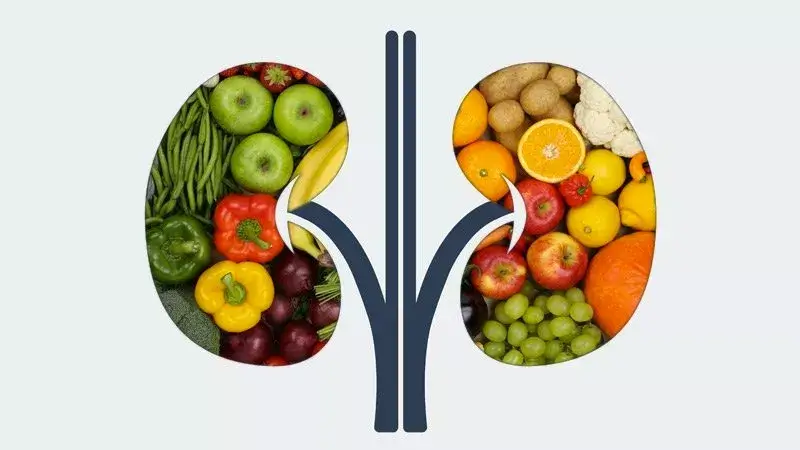
Kidney disease affects millions of people around the world, and maintaining a healthy diet is one of the most effective ways to manage the condition and slow its progression. When your kidneys are not working properly, they struggle to remove waste and balance the body’s fluids. A well-planned diet can help ease the load on your kidneys, improve overall health, and prevent further damage. In this blog, we will explore the essential aspects of a kidney-friendly diet, focusing on foods to include, nutrients to limit, and meal ideas to support better kidney function.
Understanding Kidney Disease and Its Dietary Needs
Kidney disease, particularly chronic kidney disease (CKD), occurs when the kidneys gradually lose their ability to filter waste, fluids, and excess minerals from the blood. This leads to the accumulation of harmful substances in the body, causing complications such as high blood pressure, bone disease, and heart problems.
Diet plays a crucial role in managing kidney disease, as certain foods can either ease or worsen the workload on the kidneys. The dietary needs of a person with kidney disease differ from those without the condition, focusing on limiting certain nutrients like sodium, potassium, and phosphorus, while ensuring sufficient intake of quality protein. A kidney-friendly diet is designed to maintain a balance of electrolytes, minerals, and fluids to slow disease progression, improve symptoms, and support overall health.
1.Limit Sodium Intake
Sodium is an essential mineral, but too much can cause problems for those with kidney disease. Excess sodium can lead to high blood pressure, fluid retention, and increased strain on the kidneys. Reducing sodium in your diet helps control blood pressure and minimizes swelling, both of which are critical for protecting kidney function.
Tips for Reducing Sodium:
Choose fresh or frozen foods over processed or canned options.
- Check labels for “low-sodium” or “no-salt-added” versions.
- Season meals with herbs, spices, or lemon juice instead of salt.
- Avoid salty snacks like chips, pickles, and processed meats like bacon or ham.
By limiting sodium, you can prevent complications and help your kidneys work more efficiently.
2. Control Potassium Levels
Potassium is important for nerve and muscle function, but when your kidneys are not functioning well, they may struggle to maintain proper potassium levels in the blood. High potassium levels, or hyperkalemia, can lead to serious heart problems. Managing your potassium intake is important for protecting your heart and overall health if you have kidney disease.
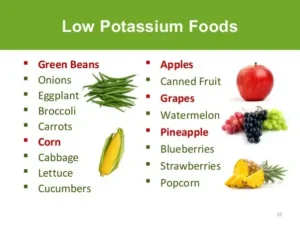
Low-Potassium Foods to Include:
- Apples, berries, and grapes
- Rice, pasta, and white bread
- Cabbage, cucumber, and cauliflower
High-Potassium Foods to Limit or Avoid:
- Bananas, oranges, and avocados
- Potatoes, spinach, and tomatoes
- Dairy products and chocolate
By keeping your potassium intake in check, you reduce the risk of complications and help your kidneys maintain a healthy balance of nutrients.
3. Monitor Phosphorus Intake
Phosphorus is a mineral that works with calcium to maintain strong bones and teeth. However, in kidney disease, excess phosphorus builds up in the blood, leading to weakened bones and calcium deposits in blood vessels, lungs, and heart. Managing phosphorus intake is essential to avoid complications like bone disease and heart issues.
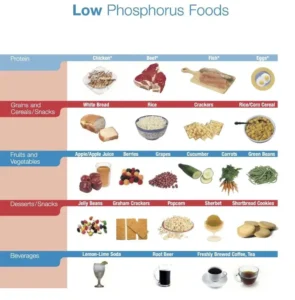
Low-Phosphorus Foods to Include:
- Fresh fruits and vegetables
- Rice, pasta, and bread (especially white)
- Corn-based cereals and non-dairy creamers
High-Phosphorus Foods to Limit or Avoid:
- Dairy products like milk, cheese, and yogurt
- Nuts, seeds, and peanut butter
- Dark sodas, processed foods, and foods with added phosphorus (check labels)
By limiting phosphorus-rich foods, you help maintain healthier bones and reduce the risk of complications associated with high phosphorus levels.
4. Eat the Right Amount of Protein
Protein is vital for building and repairing tissues, but consuming too much can put a strain on your kidneys, especially if they’re not functioning properly. A balanced amount of high-quality protein is essential for maintaining muscle mass and supporting bodily functions without overburdening the kidneys.
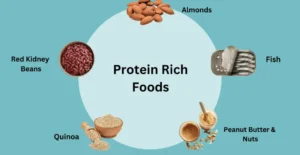
Healthy Protein Sources for Kidney Disease:
- Egg whites
- Skinless chicken breast
- Fish like cod, tilapia, and tuna
Protein-Rich Foods to Limit or Avoid:
- Red meat like beef and pork
- Processed meats like bacon, sausages, and hot dogs
- Full-fat dairy products
By managing your protein intake, you can support your body’s needs while protecting your kidneys from excess strain, which is especially important in later stages of kidney disease.
5. Stay Hydrated
Proper hydration is essential for overall health and helps your kidneys flush out toxins and waste from the body. However, when dealing with kidney disease, the amount of fluid you should consume can vary depending on the stage of the disease and your urine output. Drinking too much or too little fluid can negatively affect your kidneys.
Hydration Tips:
- Drink water in moderate amounts as advised by your doctor.
- If fluid intake needs to be limited, track your daily intake to avoid excess.
- Avoid sugary drinks and sodas, especially those with added phosphorus.
Staying hydrated appropriately can help your kidneys work more efficiently, but it’s important to consult with your healthcare provider for guidance on fluid intake based on your condition.
Sample Diet for Kidney Disease
A well-balanced diet for kidney disease includes low-sodium, low-potassium, and low-phosphorus foods, along with moderate amounts of high-quality protein. Here’s a sample meal plan to help guide you in making kidney-friendly choices:
Breakfast:
- Scrambled egg whites with bell peppers and onions
- A slice of white toast with unsalted butter
- A small apple or a handful of berries
- Oatmeal made with water or a low-potassium non-dairy milk, topped with fresh berries and a sprinkle of cinnamon.
Lunch:
- Grilled skinless chicken breast with rice and steamed broccoli
- Mixed greens with cucumber and olive oil dressing
- A slice of pineapple or a small fruit salad with low-potassium fruits
- Grilled vegetable salad with lettuce, cucumbers, bell peppers, and a light olive oil vinaigrette
- Quinoa with a side of steamed green beans or cauliflower
Dinner:
- Baked tilapia with a squeeze of lemon and herbs
- Mashed cauliflower with a drizzle of olive oil
- Fresh cucumber and lettuce salad
Snacks:
- Unsalted popcorn or rice cakes
- Sliced pears or grapes with a tablespoon of peanut butter
- Raw veggies like carrots or cucumber sticks
- Stuffed bell peppers with rice and a mix of low-potassium vegetables like zucchini and corn
- Boiled cabbage or steamed carrots
- Raw cucumber or bell pepper sticks
- Unsalted popcorn or rice cakes
- Fresh pear or apple
Beverages:
- Water (in controlled amounts as per your doctor’s advice)
- Herbal tea or clear, unsweetened drinks
This diet plan focuses on low-sodium, low-potassium, and low-phosphorus foods, helping to maintain balance while protecting kidney function. It’s important to adjust portions and ingredients based on your individual needs and consult a dietitian for a personalized diet plan.
Final Thoughts
Managing kidney disease requires a careful balance of dietary choices to support kidney function and overall health. Adhering to a diet that limits sodium, potassium, and phosphorus while including appropriate amounts of high-quality protein is essential for slowing disease progression and preventing complications.
For both vegetarians and non-vegetarians, incorporating kidney-friendly foods like fresh fruits, vegetables, lean proteins, and whole grains while avoiding high-sodium, high-potassium, and high-phosphorus items can make a significant difference. Staying hydrated, monitoring portion sizes, and choosing low-sodium alternatives are also crucial steps.
Always consult with your healthcare provider or a registered dietitian to create a personalized diet plan tailored to your specific condition and dietary preferences. By making informed and mindful food choices, you can better manage kidney disease and enhance your quality of life.
