
Advance meal prep–is an extremely successful approach for anyone trying to incorporate healthy eating into a hectic schedule. You can make a weekly meal plan that enjoyably incorporates a range of foods, balances essential nutrients, and supports your health goals while also enhancing your eating routine by carefully evaluating your dietary needs and preferences. Time is saved and tension is decreased by using effective prep methods and batch cooking. Using the help of this guide, you will be able to create a customized, healthy meal plan that will make eating well easy and tasty.
Consider Your Dietary Needs and Preferences
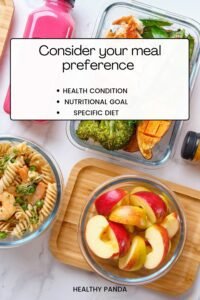
Creating a meal plan tailored to your specific dietary needs and preferences is essential for maintaining a healthy and enjoyable eating routine. Here’s how to ensure your plan aligns with your personal requirements:
Dietary Needs:
- Health Conditions: Take look into any medical conditions that may require dietary adjustments, such as diabetes, hypertension, or food allergies.
- Nutritional Goals: Identify your nutritional goals, such as gaining muscle mass, controlling your weight, or increasing your energy levels.
- Special Diets: Make sure your meal plan satisfies any dietary limitations you may have, such as being a vegetarian, vegan, gluten-free, or ketogenic person.
Healthy Meal Preferences:
- Favorite Foods: Include your favorite healthy foods to increase meal satisfaction.
- Seasonal Produce: Use seasonal fruits and vegetables to ensure freshness, better taste, and cost savings.
- Cultural Preferences: Include dishes and ingredients that reflect your cultural background and personal tastes, making your meal plan more enjoyable and sustainable.
Picking the Right Number and Variety of Meals
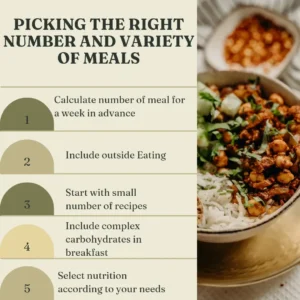
It can be difficult figuring out how many meals to prepare and what to put in each meal at times.
Selecting the meals you want to focus on and the meal-prepping approach that works best for your lifestyle is the first step towards creating an organized schedule.
Next, calculate how many breakfasts, lunches, and dinners you’ll need for the next week by looking at your calendar.
Also, remember to compensate for times you’re likely to eat out — for for example on dates, at Sunday brunch with friends or at client dinners.
It’s better to start with a small number of recipes that you are already familiar with when deciding which meals to prepare. This will make the adjustment to meal planning easier for you.
it’s crucial to stop from selecting a single recipe to stick with for the entire week. This lack of variation will not give your body the nutrition it needs and may even cause boredom.
Alternatively, select meals that feature a variety of complex carbohydrates like brown rice, quinoa, or sweet potatoes together with a variety of veggies and foods high in protein. Another approach to create variation is to include a vegetarian or vegan dish into the mix.
Plan for Variety: A Rainbow on Your Plate

Including a variety of colorful foods into your meal plan is not only visually appealing but also essential for obtaining a wide range of nutrients. Different colors in fruits and vegetables indicate the presence of various vitamins, minerals, and antioxidants. Here’s how to ensure your meals are as diverse as they are nutritious:
Healthy Meal Variety: Advance meal prep
- Red Foods: Include tomatoes, strawberries, bell peppers, and beets. These foods are often rich in antioxidants like lycopene and anthocyanins, which support heart health and reduce inflammation.
- Orange and Yellow Foods: Carrots, sweet potatoes, oranges, and bell peppers are high in vitamins A and C, which are vital for immune function and skin health.
- Green Foods: Spinach, broccoli, kale, and avocados are loaded with iron, calcium, and fiber, essential for bone health and digestion.
- Blue and Purple Foods: Blueberries, eggplants, and purple cabbage contain flavonoids that support brain health and reduce the risk of cardiovascular disease.
- White and Brown Foods: Cauliflower, mushrooms, garlic, and onions offer benefits like improved immune function and enhanced digestion due to their high fiber and phytonutrient content.
Practical Tips for Adding Variety:
- Mix and Match: Combine different colored vegetables in salads, stir-fries, and roasted vegetable medleys.
- Rotate Proteins: Alternate between different sources of protein like chicken, fish, tofu, beans, and legumes.
- Experiment with Grains: Try a variety of whole grains such as quinoa, brown rice, bulgur, and farro to diversify your nutrient intake.
- Seasonal Choices: Adjust your meal plan according to the season, including fresh, seasonal produce for peak flavor and nutrition.
Balance is Key: Protein, Fats, and Carbs for Lasting Energy
Creating balanced meals that include a combination of protein, healthy fats, and carbohydrates is essential for maintaining energy levels, supporting muscle repair, and promoting overall health. Here’s how to include these principles into Indian cuisine:
Components of Balanced Meals:
Protein:
- Vegetarian: Lentils (dal), chickpeas (chole), paneer, tofu, and yogurt.
- Non- vegetarian:Chicken, fish, eggs, and lean meats.
Healthy Fats:
- Include ghee, olive oil, mustard oil, avocados, nuts, seeds, and coconut.
Carbohydrates:
- Options for complex carbs like whole grains (brown rice, quinoa, whole wheat), millets (bajra, jowar, ragi), and vegetables.
Tips for Balanced Indian Meals:
- Protein in Every Meal: Include a source of protein in each meal to aim in muscle repair and satiety.
- Healthy Fats: Add a serving of healthy fats, such as cooking with ghee or adding nuts to dishes.
- Whole Grains: Choose whole grains like brown rice or rotis made from whole wheat or millet flours.
- Vegetable-Rich Plates: Ensure half your plate is filled with a variety of vegetables to add fiber, vitamins, and minerals.
Examples of Balanced Indian Meals:
Breakfast:
- Vegetable Upma: Made with semolina and mixed vegetables, add a handful of peanuts for protein and healthy fats.
- Besan Chilla: A savory pancake made from chickpea flour, with added vegetables and a side of yogurt.
- Oats Idli: Steamed cakes made from oats and lentils, served with coconut chutney.
Lunch:
- Dal with Brown Rice: Lentil curry (dal) served with brown rice and a side of sautéed spinach.
- Chole with Quinoa: Chickpea curry (chole) served with quinoa and a cucumber salad.
- Fish Curry with Ragi Roti: Spiced fish curry with roti made from ragi flour and a side of mixed vegetable sabzi.
Dinner:
- Palak Paneer with Brown Rice: Spinach and paneer curry served with brown rice and a side of carrot raita.
- Chicken Tikka with Mixed Vegetables: Grilled chicken tikka served with a side of roasted vegetables and whole wheat naan.
- Tofu and Vegetable Stir-Fry with Millet: Tofu stir-fried with bell peppers, broccoli, and carrots, served with a millet like bajra or jowar.
Snacks:
- Masala Roasted Chickpeas: Spiced and roasted chickpeas.
- Sprout Salad: Mixed sprouted beans with chopped tomatoes, onions, and cucumbers, drizzled with lemon juice.
- Nuts and Seeds Mix: A handful of mixed nuts and seeds for a quick snack.
Batch Cooking Hacks: Make Once, Eat Multiple Times
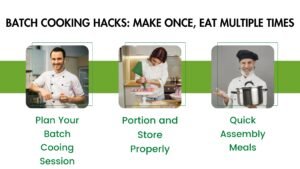
Batch cooking is a game-changer for meal prep efficiency. By preparing larger quantities of food at once, you can save time and ensure you have healthy meals ready to go throughout the week. Here are some batch cooking hacks to streamline your meal prep:
1. Plan Your Batch Cooking Session:
- Choose a day when you have a few hours to dedicate to cooking, such as a weekend day or a free evening.
- Plan out which recipes you’ll batch cook for the week ahead.
2. Cook Staple Ingredients in Bulk:
- Grains: Cook a large batch of quinoa, brown rice, or pasta to use as the base for various meals.
- Proteins: Bake or grill chicken breasts, tofu, or fish in bulk. You can shred or slice them for use in salads, wraps, or stir-fries.
- Beans and Legumes: Prepare dried beans or legumes in a big batch using a pressure cooker or slow cooker. They can be used in soups, salads, or as a side dish.
3. Utilize Kitchen Appliances:
- Slow Cooker: Set up ingredients for soups, stews, or chili in the slow cooker in the morning, and come home to a ready-made meal.
- Instant Pot: Cook meats, grains, and beans quickly and efficiently in an Instant Pot, saving both time and energy.
- Sheet Pan: Roast a variety of vegetables or proteins on a sheet pan for easy cleanup and minimal hands-on cooking.
4. Mix and Match Components:
- Cook a variety of vegetables, proteins, and grains separately, then mix and match throughout the week to create different meals.
- For example, pair grilled chicken with different sauces or seasonings, and serve with various sides like roasted vegetables or quinoa.
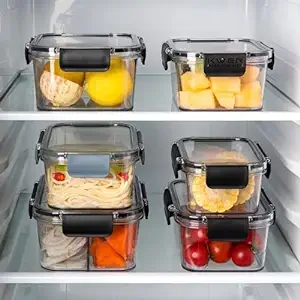
5. Portion and Store Properly:
- Divide cooked food into individual or family-sized portions using meal prep containers.
- Label containers with the contents and date for easy identification.
- Store in the fridge for meals to be consumed within a few days or freeze portions for longer storage.
6. Repurpose Leftovers:
- Get creative with leftovers by transforming them into new dishes. For example, turn roasted vegetables into a wraps or add cooked chicken to salads or wraps.
7. Quick Assembly Meals:
- Prep components for quick assembly meals like salads, grain bowls, or wraps. Keep dressings and sauces on hand for added flavor.
Get Prepping! Time-Saving Tips for Your Weekly Prep Session

Maximizing efficiency during your weekly meal prep session can save you time and effort throughout the week. Here are some time-saving tips to make your prep session smooth and effective:
1. Plan Ahead:
- Create a Meal Plan: Outline your meals for the week ahead, including breakfast, lunch, dinner, and snacks.
- Make a Shopping List: Write down all the ingredients you’ll need for your recipes to avoid multiple trips to the store.
2. Prep Efficiently:
- Multitask: Cook multiple components simultaneously to save time. For example, while veggies are roasting in the oven, you can cook grains on the stove top.
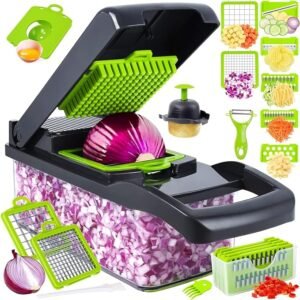
- Use Kitchen Gadgets: Invest in time-saving tools like a food processor for chopping vegetables quickly or a vegetable slicer for uniform slicing.
- Prep in Batches: Focus on one type of task at a time, such as chopping vegetables, cooking proteins, or assembling salads, to streamline the process.
3. Choose Quick and Easy Recipes:
- Opt for recipes that are simple to prepare and require minimal cooking time.
- Look for one-pan or one-pot meals to reduce cleanup time.
4. Prep Components, Not Just Full Meals:
- Wash and chop vegetables ahead of time and store them in the fridge for quick use.
- Pre-portion snacks like nuts, chopped fruit, or yogurt for grab-and-go options.
5. Cook in Bulk:
- Prepare large batches of staple foods like grains, proteins, and sauces that can be used in multiple meals throughout the week.
6. Organize Your Workspace:
- Clear your kitchen counters and organize ingredients and tools before you start prepping.
- Keep trash bags or bins nearby for easy cleanup as you work.
7. Clean As You Go:
- Wash dishes, utensils, and cutting boards as you finish using them to prevent a huge pileup at the end of your prep session.
8. Make Use of Leftovers:
- Reuse leftovers from one meal into new dishes for another day to minimize waste and save time.
9. Set a Timer:
- If you tend to get distracted, set a timer for each task to stay focused and on track.
10. Enjoy Some Prep-Free Time:
- Allocate some time-saving convenience items in your meal plan, such as pre-washed salad greens or pre-cut vegetables, to save even more time.
- With these time-saving tips, your weekly meal prep session will become more efficient, allowing you to enjoy healthy and delicious meals with less stress throughout the week.
Conclusion
In conclusion, meal planning and prep are valuable tools for maintaining a healthy and stress-free eating routine. By considering your dietary needs and preferences, aiming for variety, balancing key nutrients, and utilizing batch cooking and time-saving techniques, you can streamline the process and set yourself up for success. Here’s a recap:
- Consider Your Dietary Needs and Preferences: prepare your meal plan to fit your specific nutritional requirements and tastes.
- Plan for Variety: A Rainbow on Your Plate: Include a colorful array of fruits, vegetables, proteins, and grains to ensure a diverse intake of nutrients.
- Balance is Key: Protein, Fats, and Carbs for Lasting Energy: Create balanced meals that include protein, healthy fats, and complex carbohydrates for sustained energy and overall health.
- Batch Cooking Hacks: Make Once, Eat Multiple Times: Save time by cooking staple ingredients in bulk and repurposing them throughout the week.p
- Get Prepping! Time-Saving Tips for Your Weekly Prep Session: Use efficient prep techniques, choose quick and easy recipes, and stay organized to make the most of your meal prep time.
With these strategies, you’ll find that meal prep becomes easier and more enjoyable, allowing you to stick to your healthy eating goals with ease.
