
Hey there! We’re diving into the world of diarrhea – something many of us face but might not fully understand. This blog is your guide to figuring out what’s going on when you have diarrhea and how to deal with it.
Imagine it as your go-to handbook for when your stomach starts acting up. We’ll talk about the signs that show you’ve got diarrhea, why it happens, and simple ways to make it better.
So, if you’ve ever wondered what to do when faced with those unexpected bathroom runs, stick around. We’re breaking it down into easy-to-understand bits, helping you feel more in control when things get a little tricky in your tummy. Let’s get started on this journey of understanding and managing diarrhea together!
What Happens When You Have Diarrhea?

Spotting the Signs
When you have diarrhea, your tummy acts differently. You might notice a lot of watery poop, stomach cramps, and feeling like you need the bathroom often. These are signs that something isn’t quite right with your digestion.
Why Does It Happen?
Diarrhea can happen for different reasons. Sometimes, it’s because of germs like viruses or bacteria. Other times, it could be because of things you ate that didn’t agree with your stomach. Understanding these reasons helps you know what steps to take.
Let’s break down these signs and reasons so that dealing with diarrhea becomes a bit less confusing and a lot more manageable. Stick around to learn more!
Watery Poop: If your poop suddenly turns into something more like water than its usual solid form, that’s a big sign of diarrhea. It means your digestive system is moving things through too quickly, and your body isn’t absorbing water like it should.
Stomach Cramps: Ever felt those uncomfortable twists and turns in your stomach? That’s the cramps. When your digestive system is upset, it can cause your stomach muscles to contract more than usual, leading to cramps.
Frequent Bathroom Urges: Feeling like you need to run to the bathroom all the time? That’s another common sign. Diarrhea can make your body want to get rid of what’s inside quickly, causing that urgent feeling.
Reasons behind it.
Viral or Bacterial Invaders: Sometimes, tiny things like viruses or bacteria sneak into your digestive system. When your body detects these invaders, it goes into defense mode, often causing diarrhea to flush them out.
Food Disagreements: Certain foods may not sit well with your stomach. Eating something that doesn’t agree with you can trigger diarrhea. It’s like your stomach saying, “Hey, I don’t like this, let’s get rid of it.”
Practical Steps for Dealing with Diarrhea
Staying Hydrated – The Key to Recovery
One of the most important things when dealing with diarrhea is to drink lots of fluids. When you have watery poop, your body loses water quickly, which can lead to dehydration. Sip on water, clear broths, or oral rehydration solutions to keep your body hydrated and help replace lost fluids.
Easy Dietary Adjustments for Quick Reliefdiarr
Consider a simple diet adjustment by sticking to the BRAT diet – Bananas, Rice, Applesauce, and Toast. These foods are gentle on your stomach and can help firm up your stool. Avoid spicy, greasy, or dairy-heavy foods temporarily, as they may worsen symptoms.
Over-the-Counter Medications and Their Role
Over-the-counter medications, like anti-diarrheals, can provide relief by slowing down your digestive system. However, it’s crucial to use them cautiously and follow the recommended dosage. Consult with a healthcare professional before using any medication, especially for prolonged symptoms.
When to Seek Medical Attention
If your symptoms persist, worsen, or if you notice signs of dehydration like extreme thirst, dark urine, or dizziness, it’s time to seek medical help. A healthcare professional can guide you on the best course of action and rule out any underlying issues.
Keeping Diarrhea at Bay – Preventive Measures

Embracing Good Hygiene Practices
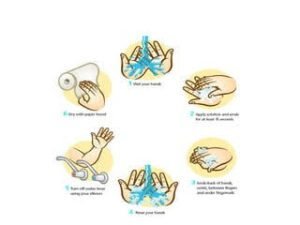
One effective way to prevent diarrhea is by maintaining good hygiene. Wash your hands thoroughly with soap and water, especially after using the bathroom and before eating. This simple habit can help stop the spread of germs that might lead to digestive issues.
Dietary Habits for Digestive Health
A balanced diet plays a crucial role in preventing diarrhea. Include fiber-rich foods like fruits, vegetables, and whole grains in your meals. These foods contribute to a healthy digestive system, reducing the likelihood of stomach upsets.
Hydration for Overall Well-being
Staying well-hydrated is not only important during diarrhea but also in preventing it. Make it a habit to drink enough water throughout the day. Proper hydration supports your digestive system and helps maintain a healthy balance in your body.
Mindful Eating Practices
Pay attention to how you eat. Chewing your food thoroughly and eating at a moderate pace can aid digestion and reduce the chances of irritating your stomach. Avoid overeating and consider smaller, more frequent meals to ease the workload on your digestive system.
By incorporating these preventive measures into your daily routine, you can significantly reduce the risk of experiencing diarrhea. Remember, small changes in your habits can lead to big improvements in your digestive health. Stick with us for more practical insights on maintaining a happy and balanced stomach
